Open Adoption vs Closed Adoption Pros Cons and Legalities: A Comprehensive Comparison
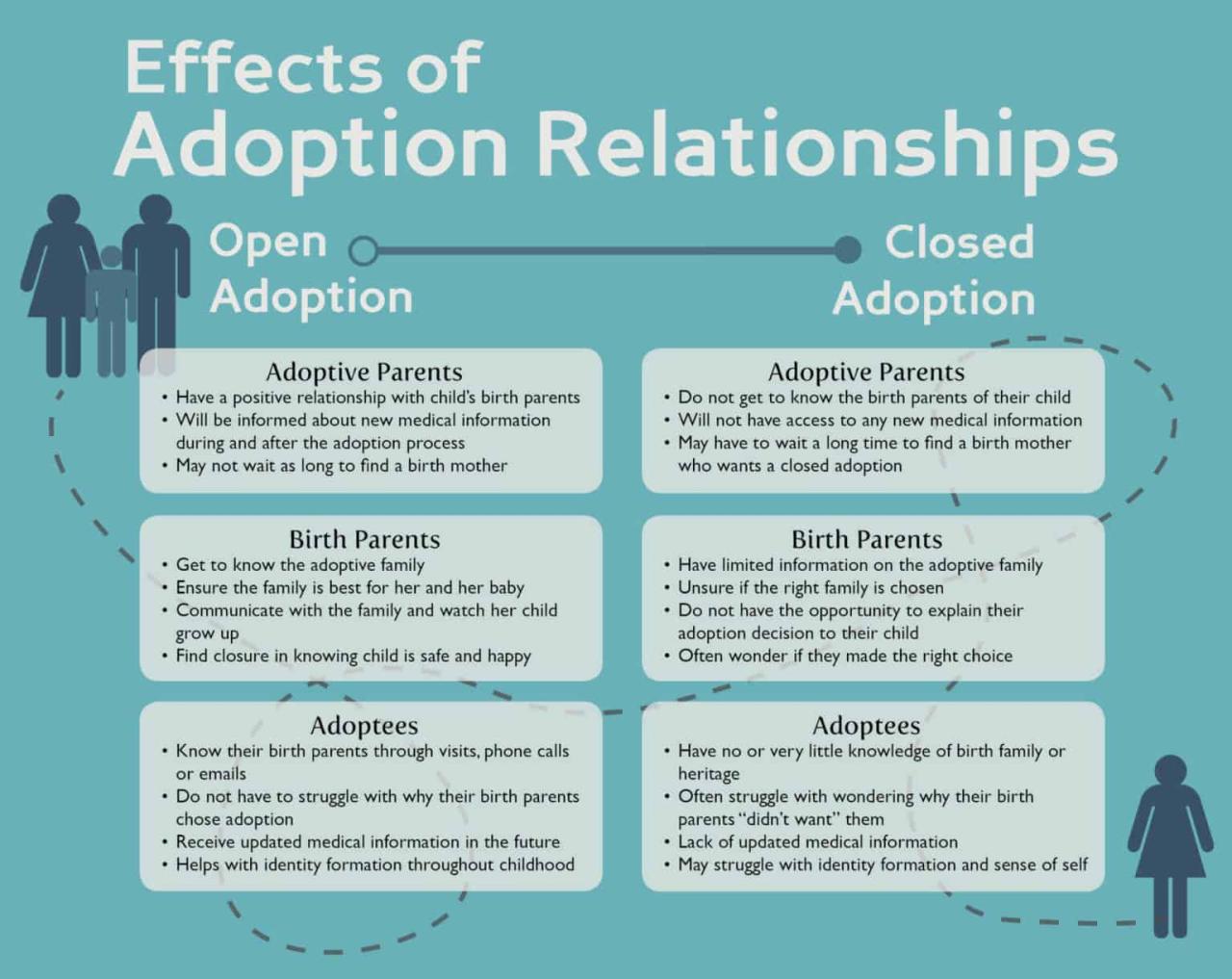
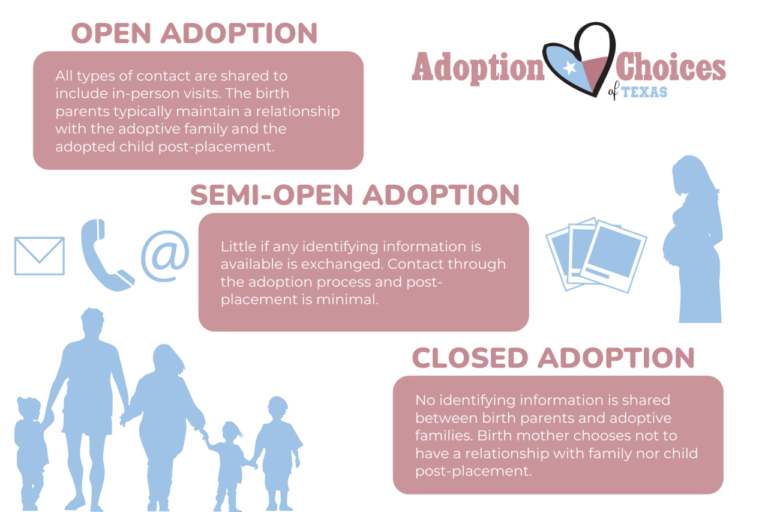
Open adoption and closed adoption are two distinct approaches to adoption, each with its own set of characteristics and implications for the parties involved. In open adoption, birth parents and adoptive parents have some form of ongoing contact and communication, while in closed adoption, all identifying information is kept confidential and there is no contact between the parties.
Historically, closed adoptions were more common, with birth records sealed and no contact between birth parents and adoptive families. This approach was intended to protect privacy and maintain secrecy surrounding the adoption process. However, over time, there has been a shift towards open adoptions, with a greater recognition of the benefits of maintaining connections between birth families and adoptive families for the well-being of the child.
Open adoptions are now more widely accepted and practiced, allowing for greater transparency and ongoing relationships.
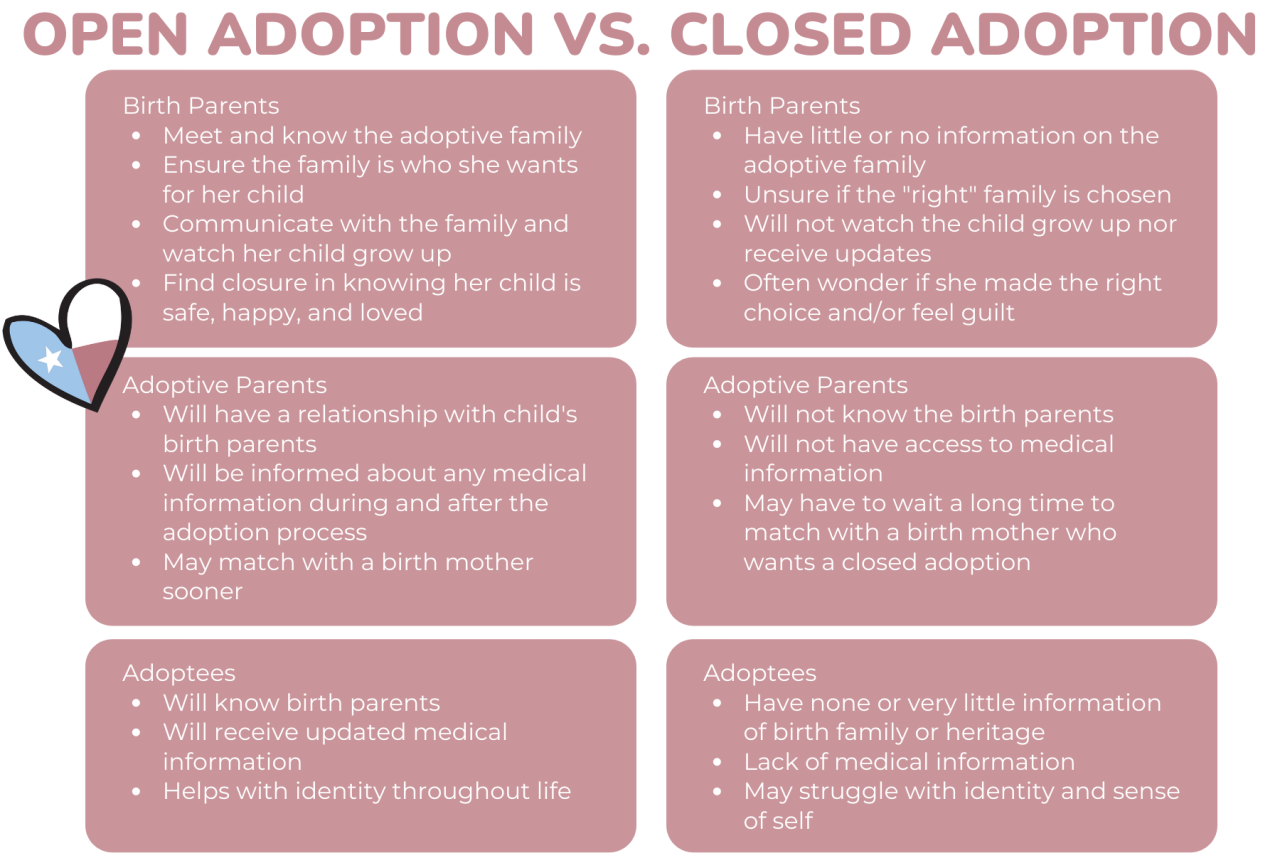
Open adoption offers various benefits for birth parents, adoptive parents, and the child involved. However, there are also potential challenges and drawbacks that all parties must consider. Let’s explore these aspects in more detail.
Birth parents in open adoption scenarios may experience a range of emotions, including grief, guilt, and anxiety. They may also struggle with feelings of loss and uncertainty when maintaining contact with the child. In comparison, birth parents in closed adoption scenarios may face challenges related to lack of information about the child’s well-being and development, leading to feelings of isolation and longing.
Closed adoption, where the identities of the birth parents and adoptive parents are kept confidential, has its own set of advantages and disadvantages.
In a closed adoption, privacy is maintained for both birth parents and adoptive parents, allowing them to move forward without interference. Boundaries are clear, reducing potential conflicts or disruptions. Additionally, there is a sense of certainty as all parties involved know what to expect in terms of contact and involvement.
One major disadvantage of closed adoption is the impact on the adoptee’s identity formation. Without access to information about their biological origins, adoptees may struggle with questions of self-identity and belonging. Lack of medical history can also pose challenges for adoptees in terms of health concerns or genetic predispositions.
Moreover, the emotional well-being of adoptees may be affected by the lack of knowledge about their roots.
The long-term effects of closed adoption on the adoptee’s sense of self and belonging can be significant. Adoptees may experience feelings of loss, confusion, and a sense of disconnectedness from their past. This can impact their relationships, mental health, and overall well-being in the long run.
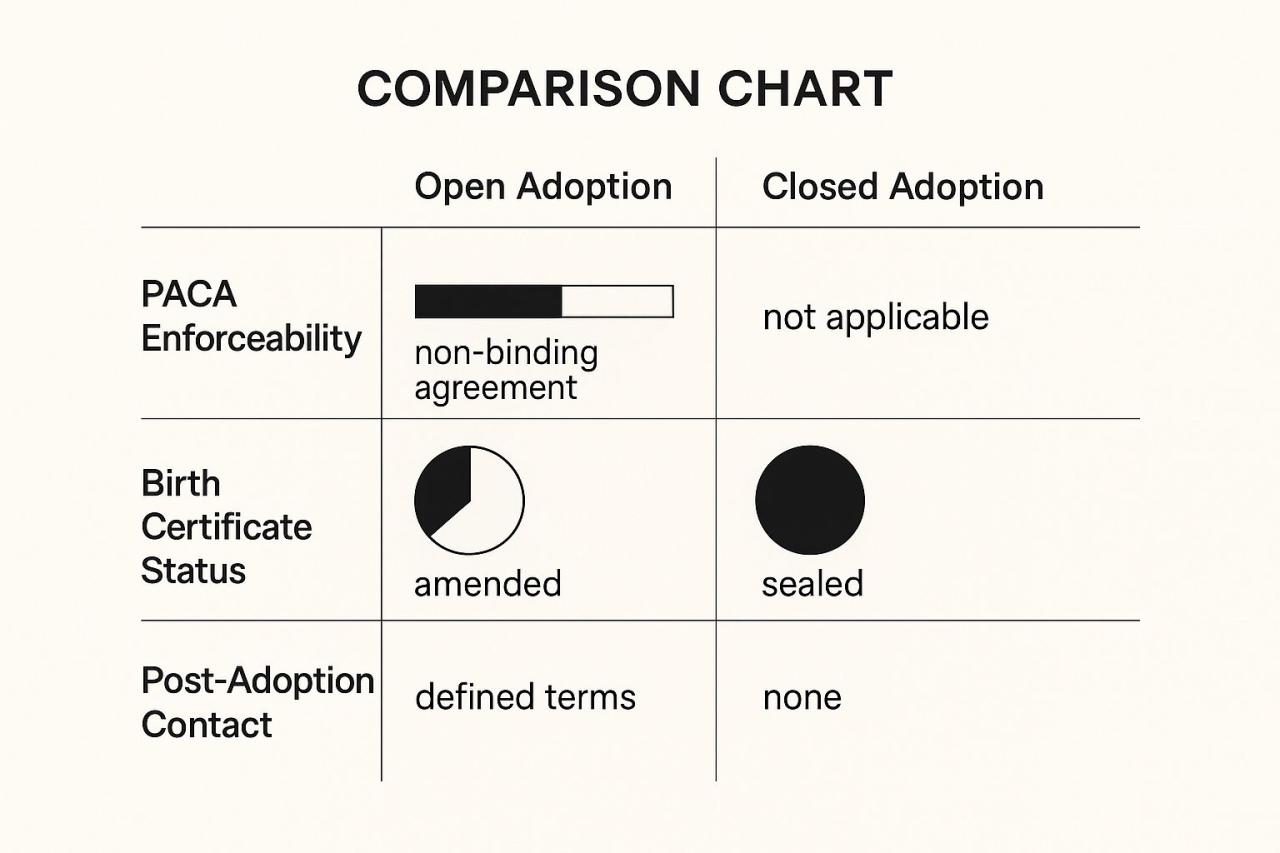
When it comes to open adoption vs closed adoption, understanding the legal aspects is crucial for all parties involved. The legal framework surrounding these types of adoptions dictates the rights and responsibilities of birth parents, adoptive parents, and the adoptee.
It also Artikels the enforceability of open adoption agreements and the legal implications of transitioning between closed and open adoptions.
In open adoptions, the parties involved typically enter into agreements that Artikel the level of contact and communication between birth parents, adoptive parents, and the adoptee. These agreements are legally binding in some states, while in others, they may not hold up in court.
It is essential to understand the specific laws in your state regarding open adoption agreements to ensure compliance and enforceability.
In open adoptions, birth parents may have the right to maintain contact with the adoptee and receive updates on their well-being. Adoptive parents are responsible for upholding the terms of the open adoption agreement and facilitating communication between the adoptee and birth parents.
The adoptee may have the right to know and have a relationship with their birth parents, depending on the terms of the agreement and the laws in place.
When transitioning from a closed adoption to an open adoption, legal implications arise regarding the enforceability of the new agreement. It is essential to follow the proper legal procedures to ensure that the transition is legally valid and that all parties’ rights are protected.
Consulting with legal professionals experienced in adoption law can help navigate this process smoothly.
What are the key differences between open adoption and closed adoption?
In open adoption, there is ongoing contact between birth parents, adoptive parents, and the child, while closed adoption involves no contact and limited information exchange.
What are the benefits of open adoption for the birth parents?
Open adoption allows birth parents to maintain a relationship with their child, receive updates on their well-being, and have peace of mind knowing their child’s whereabouts.
How does closed adoption impact an adoptee’s sense of identity?
Closed adoption can pose challenges for adoptees in terms of understanding their origins, medical history, and forming a cohesive sense of self.