The Psychological Impact of Open Adoption on Children: Understanding the Effects on Mental Well-Being
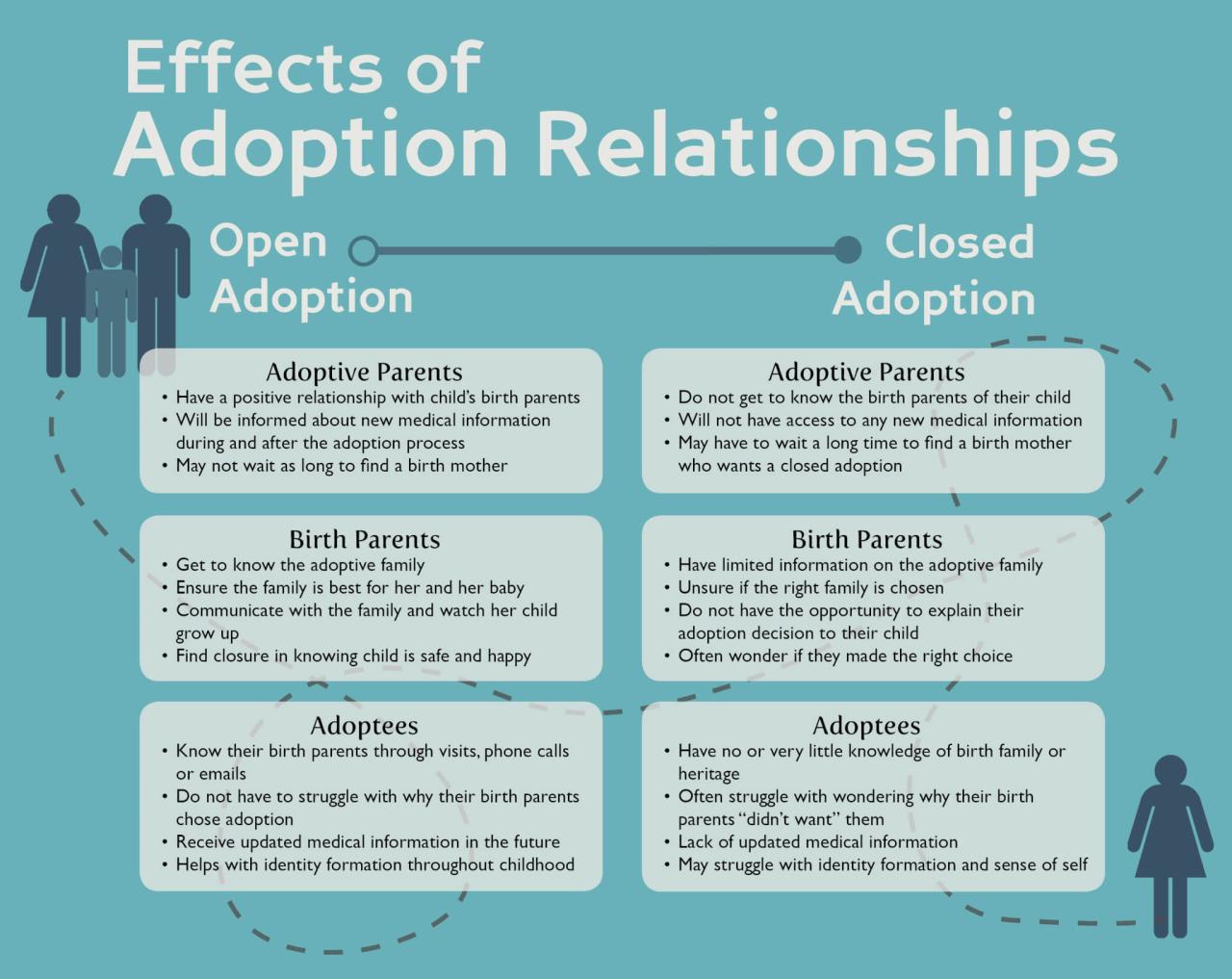
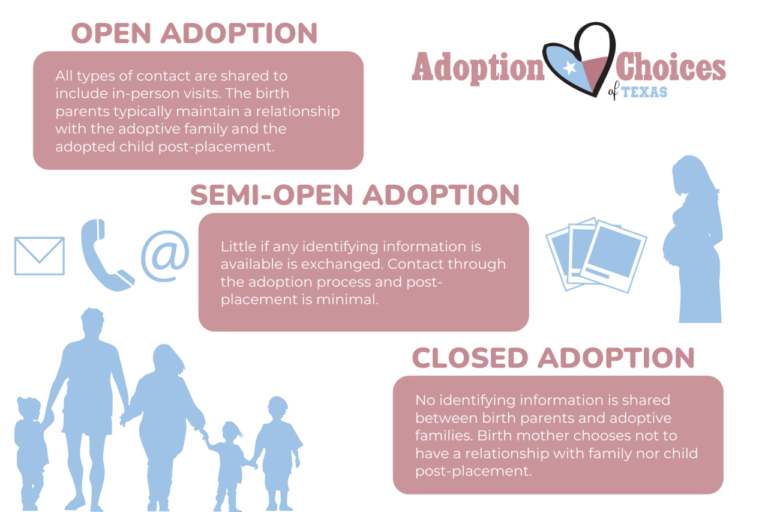
Open adoption is a form of adoption where the birth parents and adoptive parents have some form of ongoing contact and communication. This can include visits, phone calls, emails, or letters exchanged between the two parties. The level of openness can vary depending on the agreement made between the birth parents and adoptive parents.
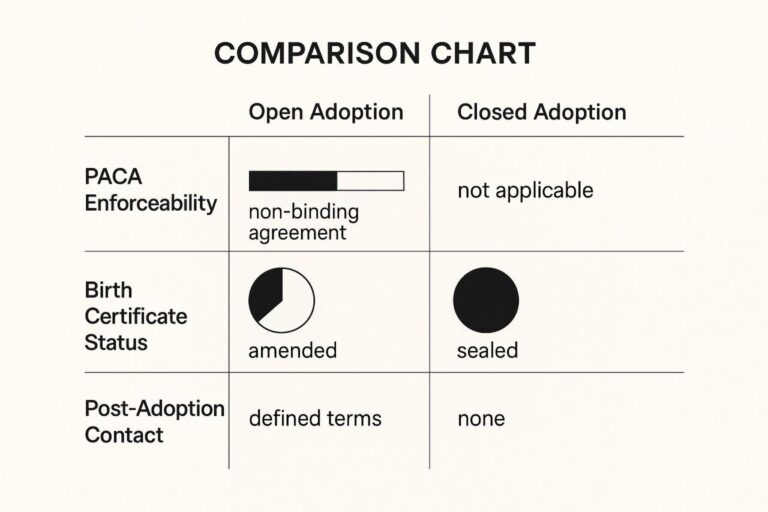
Open adoption differs from closed adoption in that in closed adoption, there is no contact between the birth parents and adoptive parents after the adoption is finalized. The identity of the birth parents may be sealed, and there is typically no communication or exchange of information between the two parties.
When it comes to the psychological development of children in open adoption, several key aspects come into play. Let’s delve into how open adoption affects a child’s sense of identity, emotional well-being, and relationships.
In open adoption, children have the opportunity to maintain a connection with their birth parents, which can positively impact their sense of identity. By having access to information about their biological roots, children may have a clearer understanding of who they are and where they come from.
This can contribute to a stronger sense of self and identity formation.
The emotional well-being of children in open adoption can be influenced by the level of contact they have with their birth families. Maintaining a relationship with birth parents can provide children with a sense of security and belonging. However, it is essential to consider the emotional implications of navigating multiple familial relationships and potential complexities that may arise.
Open adoption can have a significant impact on a child’s attachment style and relationships. The ability to form attachments with both adoptive and birth families can shape a child’s understanding of trust, security, and love. Nurturing positive relationships in an open adoption setting can contribute to the child’s emotional development and overall well-being.
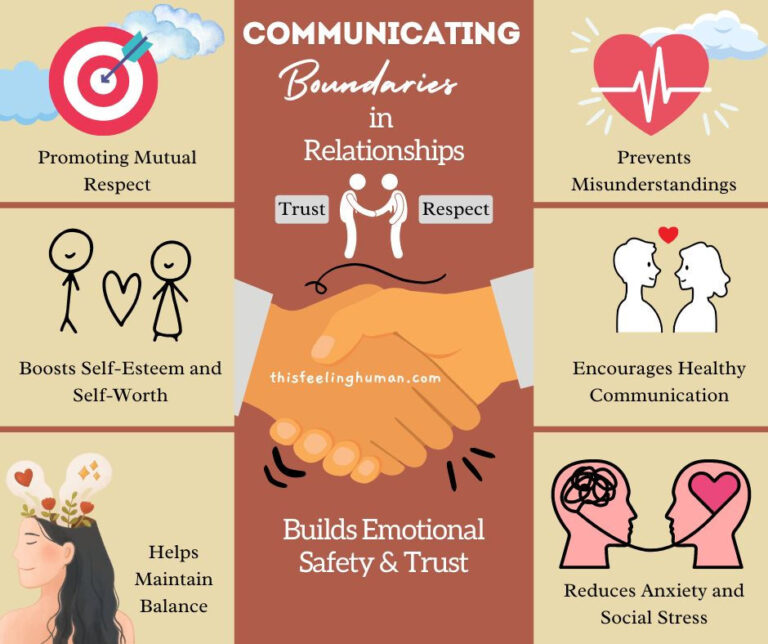
In open adoption relationships, communication plays a vital role in fostering healthy relationships between birth parents, adoptive parents, and the child. Effective communication can have a significant impact on the child’s psychological well-being and development.
Children in open adoption may face various challenges as they navigate this unique family dynamic. These challenges can have a significant impact on their psychological well-being and development. However, children can also develop coping mechanisms to help them navigate these challenges effectively.
How does open adoption influence a child’s sense of identity?
Open adoption allows children to have a more holistic understanding of their identity by maintaining connections with their birth parents and adoptive families.
What are common challenges children face in open adoption?
Children in open adoption may struggle with feelings of confusion or loyalty towards both sets of parents, navigating complex emotions as they grow.
How can healthy communication benefit children in open adoption?
Healthy communication fosters trust, emotional stability, and a sense of belonging for children in open adoption, promoting their overall well-being.
What role do support systems play in helping children cope with the psychological impact of open adoption?
Support systems provide children with the necessary tools and resources to navigate challenges, offering emotional guidance and stability throughout their adoption journey.