
Child Care Assistance for Children with Special Needs and Disabilities: Ensuring Support for Every Child

Child care assistance plays a crucial role in supporting children with special needs and disabilities. These programs provide essential support and resources that can significantly impact the well-being and development of these children.
Child care assistance programs offer specialized care and educational support tailored to the unique needs of children with disabilities. By providing access to trained professionals and specialized resources, these programs create an inclusive environment where children can thrive and reach their full potential.
Child care assistance programs also help children with special needs in performing daily living activities. From personal care to mobility assistance, these programs ensure that children receive the necessary support to engage in daily routines and activities, promoting independence and confidence.
Child care assistance programs facilitate social interactions and peer relationships, which are essential for the social and emotional development of children with special needs. Through structured activities and inclusive environments, these programs help children build social skills, develop friendships, and enhance their emotional well-being.
Child care assistance not only benefits children with disabilities but also provides much-needed support for their families. By offering respite care and relief for caregivers, these programs reduce stress and allow families to focus on their own well-being while ensuring their children receive high-quality care and support.

Child care assistance programs tailored for children with special needs come in various forms to provide support and resources to families facing unique challenges. These programs aim to ensure that children with disabilities receive the care and attention they need to thrive.
Inclusive child care programs are designed to integrate children with special needs into mainstream child care settings. These programs provide additional support and resources to child care providers to accommodate children with disabilities. Inclusive programs focus on promoting social interaction, learning, and development for all children, regardless of ability.
Specialized child care centers are facilities specifically equipped to cater to children with complex medical needs or severe disabilities. These centers may have trained staff, specialized equipment, and tailored programs to meet the unique requirements of each child. Specialized child care centers offer a higher level of care and support for children with significant challenges.
Financial assistance programs provide financial support to families of children with special needs to help cover the costs of child care services. These programs may include subsidies, grants, or vouchers to offset the expenses associated with specialized child care. Eligibility criteria for financial assistance programs vary based on factors such as income level, disability severity, and specific needs of the child.
Respite care services offer temporary relief to families caring for children with disabilities by providing short-term child care. These services allow parents and caregivers to take a break and attend to personal matters while ensuring that their child receives quality care in a safe environment.
Respite care services may be provided in-home or at specialized facilities.
Early intervention programs focus on identifying and addressing developmental delays or disabilities in children at an early age. These programs provide support services, therapies, and resources to help children reach their full potential. Early intervention programs play a crucial role in promoting the overall well-being and development of children with special needs.
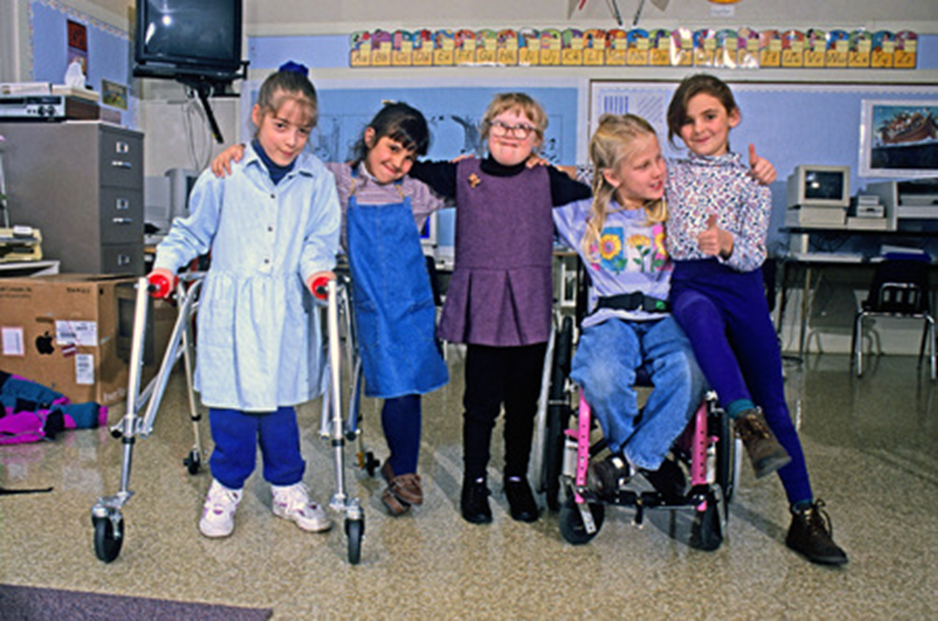
Families of children with special needs often encounter various challenges when seeking child care assistance. These challenges can range from limited availability of specialized care providers to financial constraints that make accessing quality care difficult.
One of the main challenges faced by families is the scarcity of child care providers who are trained and equipped to handle the specific needs of children with disabilities. This can lead to long waiting lists and limited options for families seeking appropriate care for their child.
Another significant barrier is the high cost of specialized child care services. Many families find it challenging to afford the extra expenses associated with caring for a child with special needs, especially if they require specialized services or therapies.
Families may also struggle to navigate the complex system of child care assistance programs due to a lack of information and support. Understanding eligibility criteria, application processes, and available resources can be overwhelming for parents already dealing with the demands of caring for a child with disabilities.
Community support plays a crucial role in addressing the challenges faced by families of children with special needs. By fostering a network of support, families can find guidance, resources, and encouragement to navigate the complexities of accessing child care assistance.
Community organizations, support groups, and advocacy networks can provide valuable information and emotional support to help families overcome barriers and access the care their child needs.
When it comes to providing child care assistance for children with special needs, implementing best practices is crucial in ensuring their well-being and development. These practices not only support the children but also their families and caregivers in navigating the challenges they may face.
What are the key benefits of child care assistance for children with special needs?
Child care assistance programs provide specialized care, support, and resources tailored to the unique needs of children with disabilities, enhancing their overall well-being and development.
How can families overcome challenges in accessing child care assistance for their special needs children?
Families can seek community support, explore available resources, and work closely with professionals to navigate and overcome challenges in accessing child care assistance for their children with special needs.
What role do caregivers and professionals play in implementing best practices for child care assistance?
Caregivers and professionals collaborate to ensure the effective implementation of child care assistance programs, providing personalized care, and support to children with special needs.