Changing from a Closed to an Open Adoption: Is It Possible?
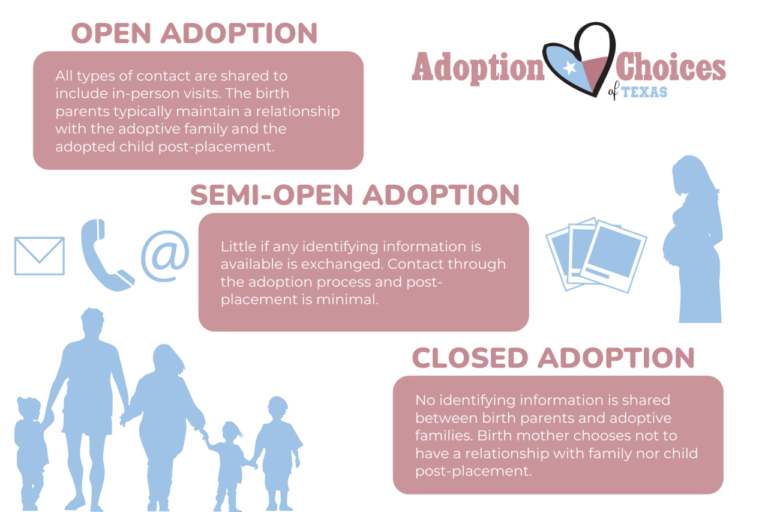
In adoption, the terms “closed” and “open” refer to the level of contact and communication between birth parents, adoptive parents, and adoptees. Understanding the differences between these two types of adoptions is essential for all parties involved.
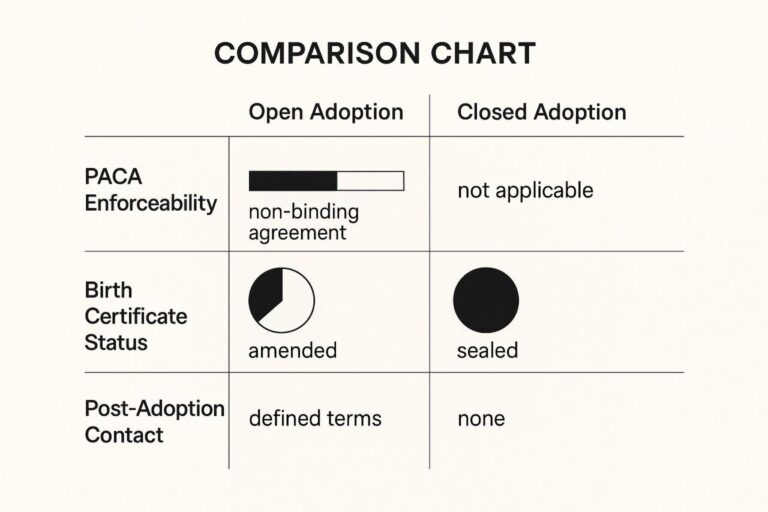
Closed adoption is a type of adoption where there is little to no contact or information exchanged between birth parents, adoptive parents, and adoptees. In a closed adoption, all identifying information is kept confidential, and communication is typically mediated through adoption agencies or attorneys.
Open adoption, on the other hand, involves varying degrees of contact and communication between birth parents, adoptive parents, and adoptees. In an open adoption, parties may share identifying information and have direct contact through visits, phone calls, emails, or social media.
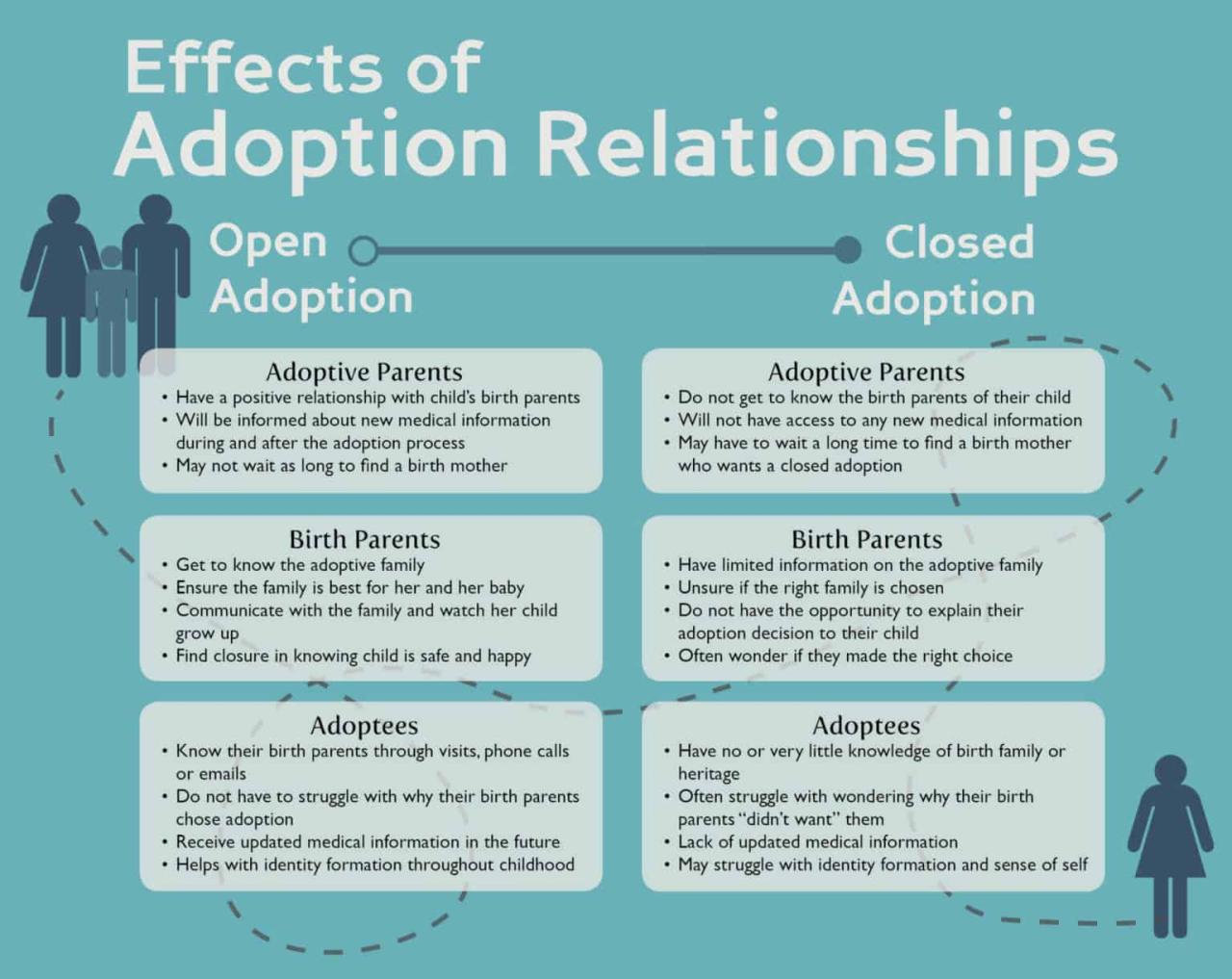
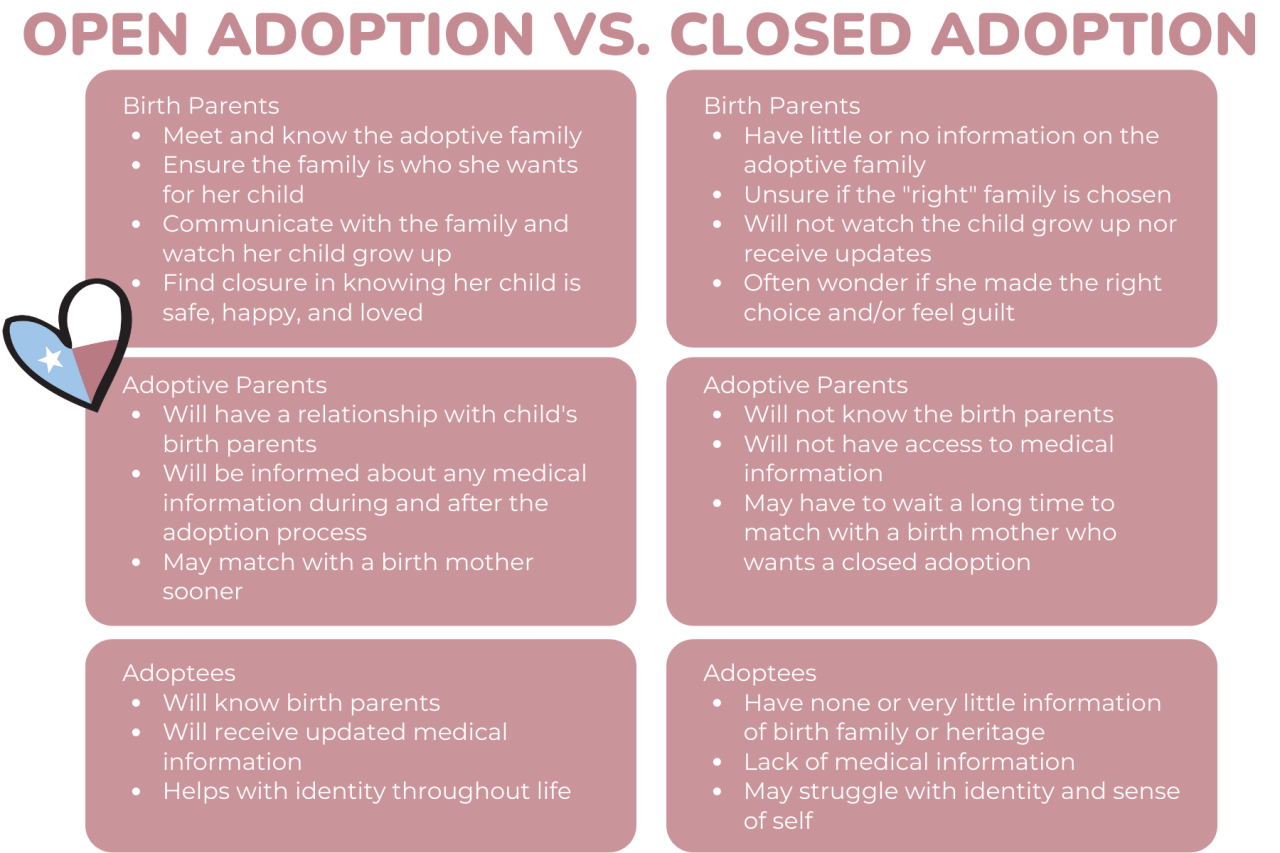
Closed adoption can lead to challenges in identity formation for adoptees who may have limited information about their birth families. On the other hand, open adoption can provide adoptees with a sense of belonging and connection to both their birth and adoptive families.
When considering a switch from closed to open adoption, families are often influenced by various factors that can impact their decision-making process. These factors can range from personal preferences to the desire to provide a more transparent and communicative environment for all parties involved.
Communication and transparency play a crucial role in adoption decisions, as they help build trust and foster healthy relationships between birth parents, adoptive parents, and the adopted child. By transitioning to an open adoption, families can establish clear lines of communication, share important information, and create a supportive network for everyone involved.
Many families have successfully transitioned from closed to open adoption, leading to positive outcomes for all parties. By embracing open communication, sharing updates, and maintaining contact with birth parents, adoptive families have been able to create meaningful relationships and provide a supportive environment for the adopted child.
When considering changing from a closed to an open adoption, it is crucial to understand the legal and ethical implications involved in such a transition. The process requires careful consideration of various factors to ensure the well-being of all parties involved.
In order to change from a closed to an open adoption, legal procedures must be followed to modify the existing adoption agreement. This typically involves seeking approval from the court and obtaining consent from all parties, including the birth parents, adoptive parents, and possibly the adopted child, depending on their age and the laws of the state.
It is important to consult with an experienced adoption attorney to navigate the legal requirements and ensure that the process is conducted in compliance with the law.
Altering the adoption agreement from closed to open raises ethical considerations regarding the privacy and rights of the birth parents, adoptive parents, and the adopted child. It is essential to consider the emotional impact of such a change on all parties involved and to prioritize the best interests of the child.
Open communication, transparency, and mutual respect are key ethical principles that should guide the decision-making process.
Changing from a closed to an open adoption can present challenges, such as potential disagreements between the birth parents and adoptive parents regarding the extent of contact or communication allowed. It is important to approach these challenges with empathy, understanding, and a willingness to compromise in order to reach a mutually agreeable solution.
Seeking the support of a mediator or counselor experienced in adoption issues can help facilitate productive discussions and negotiations.
Changing from closed to open adoption can have profound effects on all parties involved in the adoption process. It is essential to consider the emotional and psychological impact on birth parents, the benefits and challenges faced by adoptive parents, and the implications for adoptees’ sense of identity.
Can birth parents change their mind and switch from a closed to an open adoption?
While it’s legally complex, some birth parents have successfully transitioned to open adoptions through mutual agreement with adoptive parents.
What are the key challenges adoptive parents face when moving from closed to open adoption?
Adoptive parents may struggle with establishing new boundaries and managing potential expectations from birth parents in an open adoption setting.
How does changing from a closed to an open adoption impact adoptees’ sense of identity?
For adoptees, the shift can lead to a deeper understanding of their roots and a more nuanced perspective on their adoption story.