Alternatives to DCFS Foster Care Private Placements Explained: A Comprehensive Guide
DCFS Foster Care Private Placements refer to the placement of children in foster care with private agencies or organizations approved by the Department of Children and Family Services (DCFS). These placements are an alternative to traditional DCFS foster care placements with licensed foster families.DCFS Foster Care Private Placements are utilized when there is a need for specialized services or support that may not be readily available in traditional foster homes.
These placements may also be used when a child has specific medical, behavioral, or emotional needs that require a higher level of care and attention.
Private placements provide a more tailored and specialized approach to meeting the needs of children in foster care. They aim to ensure that children receive the necessary support and services to help them thrive and overcome challenges they may face.
Private agencies often have access to a wider range of resources and can provide more individualized care to children in their programs.
When considering alternatives to DCFS Foster Care Private Placements, there are various options that can provide a different approach to caring for children in need. These alternatives offer unique benefits and drawbacks compared to the traditional private placements facilitated by DCFS.
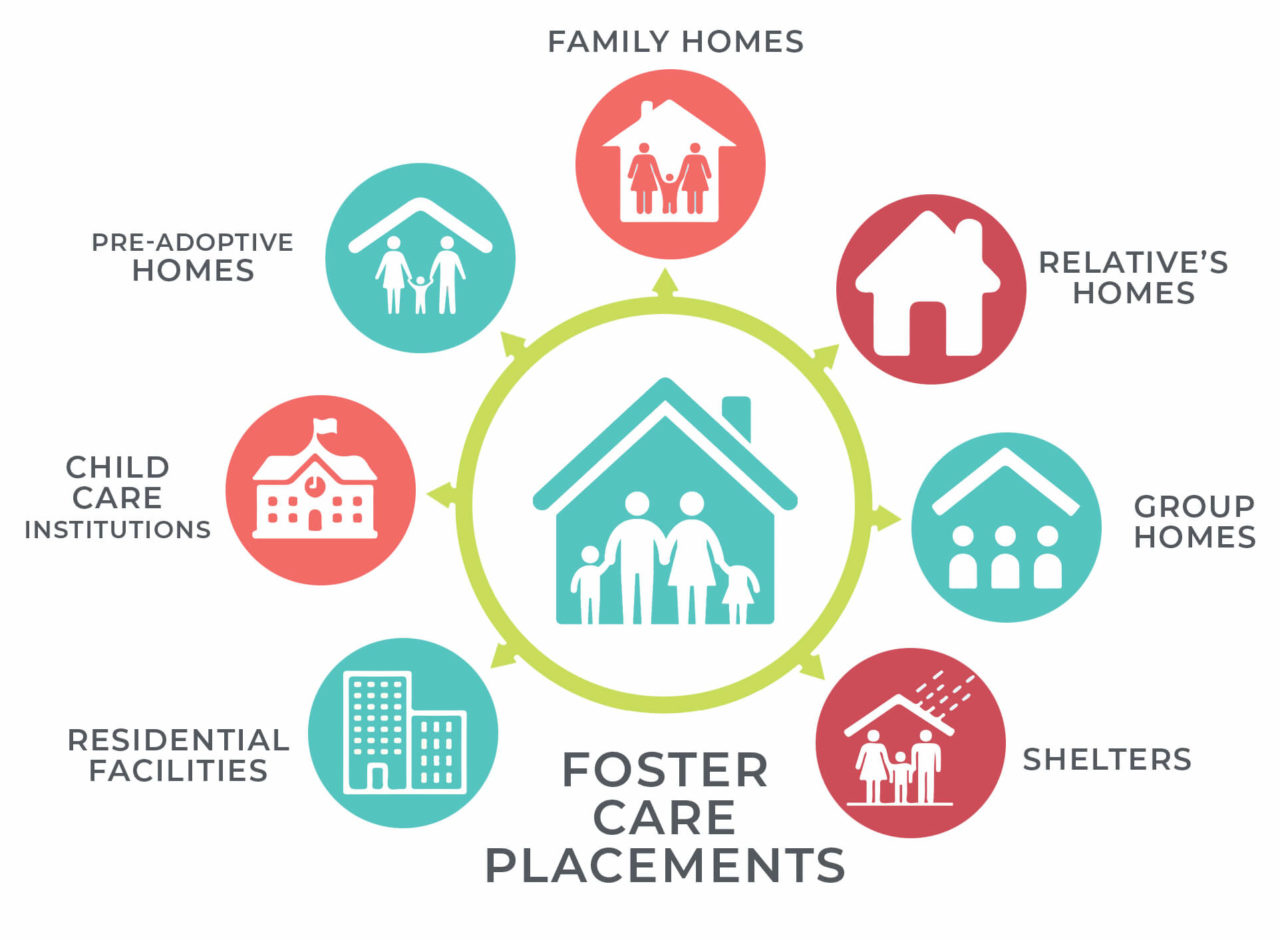
Family-based care involves placing children with relatives or foster families within the community. This alternative focuses on keeping the child within a familiar environment, which can promote stability and a sense of belonging. However, the availability of suitable family placements may vary, and the level of support and resources provided to these families can differ.
Therapeutic foster care involves placing children with specialized foster families who are trained to address the emotional and behavioral needs of the child. This alternative offers a higher level of support and intervention for children with complex needs. However, the availability of trained therapeutic foster families may be limited, and the cost of these services can be higher.
Group homes and residential treatment centers provide a structured and supervised environment for children who require more intensive care and support. These facilities offer a range of therapeutic services and programming to address the specific needs of each child. However, children placed in group homes may experience challenges in forming close relationships and maintaining connections with their community.
Independent living programs are designed to support older youth in foster care as they transition to adulthood. These programs offer life skills training, educational support, and assistance with finding housing and employment. While independent living programs focus on empowering youth to become self-sufficient, some young adults may struggle with the transition without adequate support.Each of these alternatives presents a unique approach to providing care for children in need, offering a range of benefits and drawbacks that should be carefully considered when determining the most suitable placement for a child in the foster care system.
Community-based foster care programs offer an alternative approach to placing children in foster care outside of their homes. These programs focus on providing a supportive and nurturing environment within the child’s own community, rather than in private placements managed by DCFS.
Community-based foster care programs differ from DCFS private placements in several key ways:
Some examples of successful community-based foster care programs include:
1. The Annie E. Casey Foundation’s Family to Family initiative, which aims to keep children in foster care connected to their families and communities.
2. The Mockingbird Family Model, which creates networks of foster families to support one another and provide a sense of community for the children in their care.
3. The Together Facing the Challenge program, which partners with local organizations and agencies to provide comprehensive support for children in foster care and their families.
Therapeutic foster care is a specialized form of foster care that provides a higher level of support and services to children with significant emotional or behavioral needs. These children may have experienced trauma, abuse, neglect, or other challenges that require a more intensive level of care.
Therapeutic foster care differs from DCFS private placements in that it offers a more comprehensive and individualized approach to meeting the needs of children with complex emotional and behavioral issues. Therapeutic foster parents receive specialized training and support to help children heal and thrive in a safe and nurturing environment.
In a case study conducted by a leading child welfare agency, it was found that children placed in therapeutic foster care showed significant improvements in their emotional well-being, behavior, and overall functioning. These children were able to form healthy attachments, develop coping skills, and make positive strides in their academic and social lives.
One success story involved a young girl who had experienced severe abuse and neglect in her early years. Through therapeutic foster care, she received the specialized support and therapy she needed to heal from her trauma. Over time, she blossomed into a confident and resilient young person, excelling in school and forming meaningful relationships with others.
Kinship care refers to the placement of children with relatives or close family friends when they are unable to remain with their biological parents. This type of care is considered an alternative to DCFS private placements and offers a familiar and supportive environment for children in need.
Independent living programs are designed to provide support and resources to foster youth as they transition out of the foster care system and into adulthood. These programs aim to help young adults develop essential life skills, such as financial management, job readiness, and housing stability, to ensure a successful transition to independent living.
Independent living programs have shown positive outcomes for foster youth who have participated in these programs. Studies have indicated that youth who have gone through independent living programs are more likely to secure stable housing, gainful employment, and pursue higher education compared to those who did not have access to such programs.
Additionally, participants in these programs tend to have lower rates of involvement in the criminal justice system and experience improved mental health outcomes.
What is the main difference between DCFS Private Placements and Community-Based Foster Care Programs?
DCFS Private Placements are typically overseen by the state, while community-based programs are managed by local organizations or agencies within the community.
How does Kinship Care differ from DCFS Private Placements?
Kinship Care involves placing children with relatives or family friends, providing them with a familiar and supportive environment, unlike DCFS Private Placements that may involve placement with strangers.
What are the key benefits of Therapeutic Foster Care compared to traditional DCFS placements?
Therapeutic Foster Care offers specialized support and services for children with specific emotional or behavioral needs, which may not be as readily available in standard DCFS placements.