Navigating the Emotional Journey of an Open Adoption Process: A Comprehensive Guide
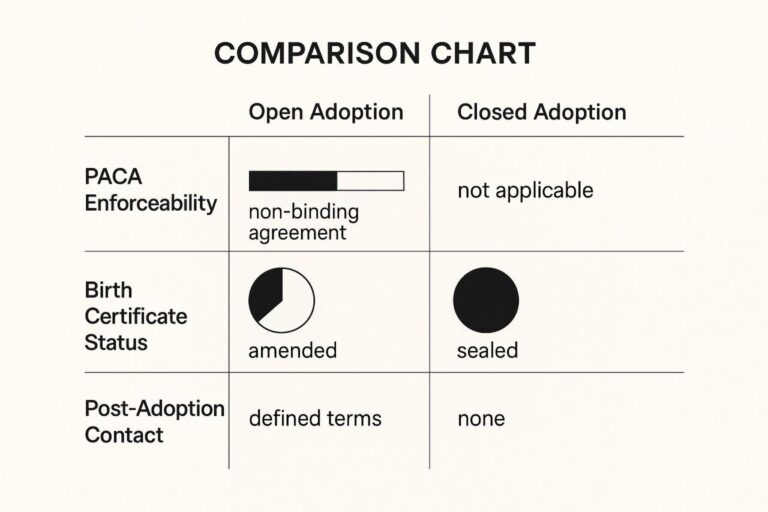
Open adoption, in the context of family law, refers to a process where the biological parents of a child voluntarily choose the adoptive parents and have ongoing contact and communication with the child post-adoption. This arrangement allows for a more transparent relationship between all parties involved.Open adoption differs from closed adoption, where the biological parents have little to no information about the adoptive family and do not have any contact with the child after the adoption is finalized.
In open adoption, the biological parents and adoptive parents typically have some level of communication and may even have visitation rights depending on the agreement.
Emotional preparation is crucial for both birth parents and prospective adoptive parents embarking on the journey of open adoption. It is essential to understand and navigate the emotional complexities that come with this process.
Birth parents considering open adoption must be emotionally prepared to navigate feelings of grief, loss, and uncertainty. It is important for them to acknowledge and process their emotions before making any decisions. Seeking therapy or counseling can be beneficial in this regard, providing a safe space to express and work through their feelings.
Prospective adoptive parents may experience a range of emotions throughout the open adoption process, including excitement, anxiety, and fear of the unknown. It is normal to have doubts and concerns about building a relationship with the birth parents and the impact it may have on their family dynamic.
Open communication with their partner and support network can help alleviate some of these worries.
Establishing trust and open communication is crucial in an open adoption process to ensure a healthy relationship between birth parents and adoptive parents.
Open communication fosters understanding, respect, and mutual support between birth parents and adoptive parents, creating a foundation for a positive relationship.

Support systems play a crucial role in the emotional well-being of all parties involved in an open adoption process. They provide the necessary guidance, understanding, and empathy needed to navigate the complexities of the journey.
Counselors or therapists play a crucial role in providing professional guidance and emotional support to birth parents, adoptive parents, and the child throughout the open adoption process. They help individuals cope with the emotional challenges, facilitate communication, and address any underlying issues that may arise.
Support groups offer a safe space for individuals involved in open adoption to connect with others who understand their experiences, share resources, and offer mutual support. These groups provide a sense of community, validation, and empowerment, helping participants navigate the emotional journey with a sense of belonging and understanding.
Setting realistic expectations in an open adoption process is crucial for all parties involved to navigate the journey successfully. It is essential to understand that open adoption relationships can evolve over time, and flexibility is key in adapting to changing circumstances.
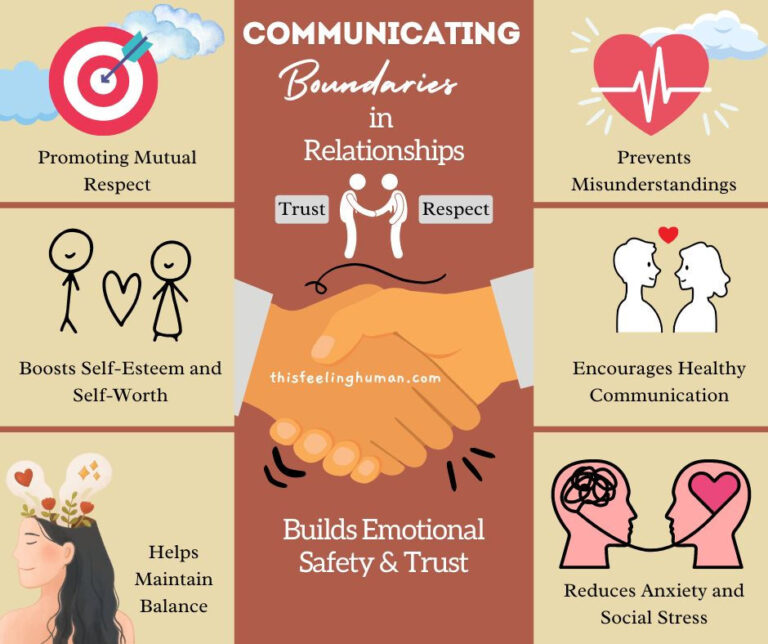
Establishing healthy boundaries can help manage expectations and maintain a positive and respectful relationship between birth parents, adoptive parents, and the child.
Setting realistic expectations helps avoid misunderstandings and disappointment down the road. It allows all parties to have a clear understanding of their roles and responsibilities in the open adoption process.
Being flexible in an open adoption means being open to changes and willing to adjust expectations as needed. Circumstances may change, and having the flexibility to adapt can help nurture a strong and lasting relationship.
What level of emotional readiness is required for birth parents in an open adoption process?
Birth parents need to be emotionally prepared to navigate the complexities of open adoption, including dealing with potential feelings of loss, grief, and uncertainty. Seeking support from counselors or support groups can be beneficial in this journey.
How can conflicts between birth parents and adoptive parents be resolved during the adoption process?
Open and honest communication is key to resolving conflicts that may arise during the adoption process. Both parties should strive to understand each other’s perspectives and work towards finding mutually agreeable solutions.
What are some examples of healthy boundaries that can help manage expectations in an open adoption?
Setting boundaries around communication frequency, visitation schedules, and privacy can help manage expectations and ensure that all parties involved feel respected and comfortable throughout the open adoption process.