How Much Does Siding Replacement Cost? 2026 Homeowner Price Guide: A Comprehensive Overview
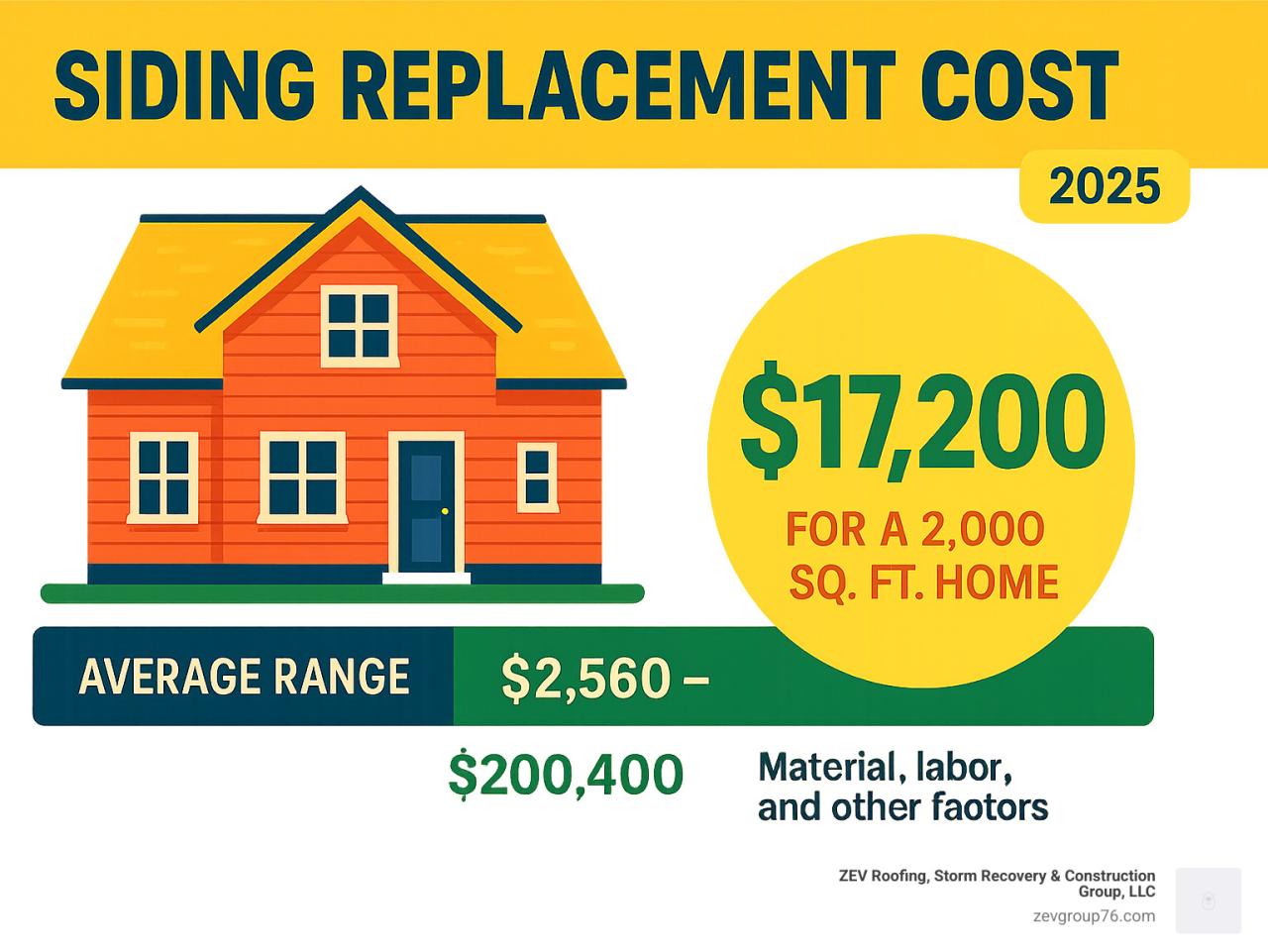
When considering the cost of siding replacement, there are several key factors that can influence the overall expense. Understanding these factors can help homeowners make informed decisions about their siding project.
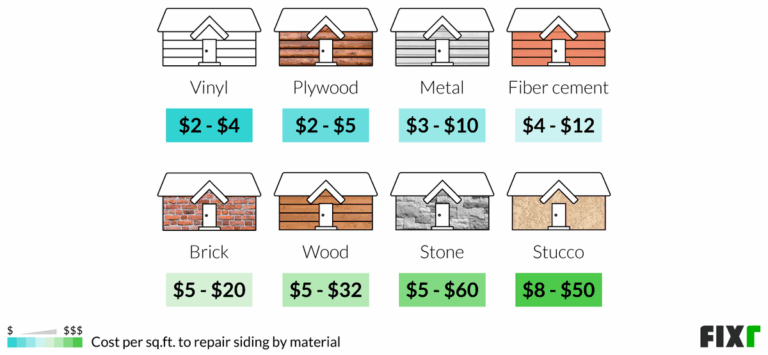
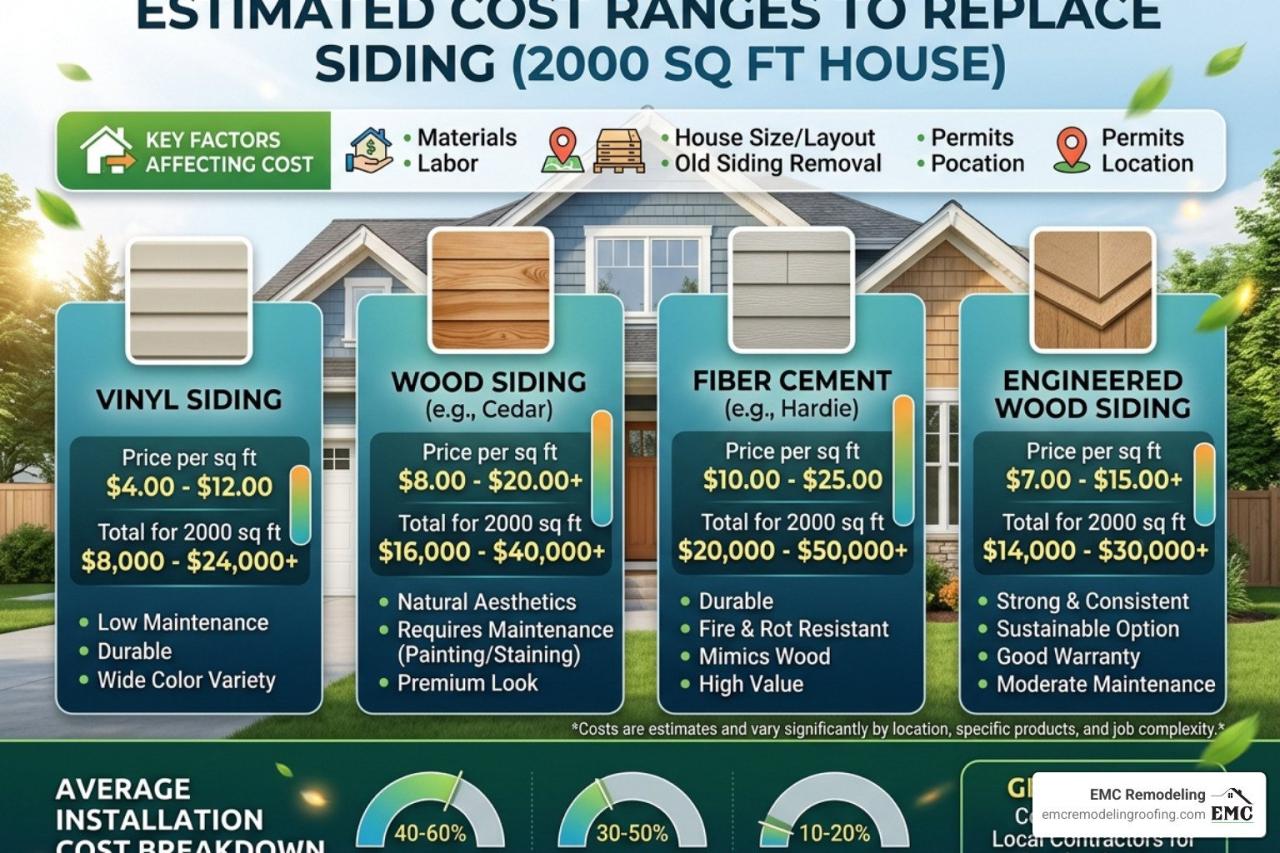
Different types of siding materials come with varying price tags. Here are some common siding materials and their cost implications:
The size of the house plays a significant role in determining the total cost of siding replacement. Larger homes will require more materials and labor, leading to higher expenses. It’s essential for homeowners to consider the square footage of their property when budgeting for a siding project.
Labor costs are a crucial component of the total expense of siding replacement. Skilled labor is necessary to ensure the siding is installed correctly and efficiently. Labor costs can vary based on factors such as the complexity of the project, the experience of the contractors, and the location of the home.
The cost of siding replacement can vary significantly depending on the geographical location of the home. Factors such as local labor rates, material availability, and regional economic conditions can all impact the overall cost. It’s important for homeowners to research and compare prices in their specific area to get an accurate estimate for their siding project.

When considering siding replacement, it’s essential to understand the average costs associated with different siding materials. These costs can vary based on the type of material, quality, brand, and additional factors like insulation and trim work. Let’s break down the average cost estimates for vinyl siding, fiber cement siding, wood siding, and metal siding, along with discussing longevity and maintenance costs for each material.
Vinyl siding is a popular choice due to its affordability and low maintenance requirements. On average, homeowners can expect to pay between $3 to $7 per square foot for vinyl siding installation. Higher quality and branded vinyl siding options can cost anywhere from $7 to $12 per square foot.
Additional costs may include insulation, which can add around $1 to $2 per square foot, and trim work, costing approximately $1 to $3 per linear foot. Vinyl siding typically has a lifespan of 20 to 40 years and requires minimal maintenance, making it a cost-effective choice in the long run.
Fiber cement siding is known for its durability and resistance to elements like fire and insects. The average cost for fiber cement siding installation ranges from $5 to $12 per square foot. Higher quality and branded fiber cement siding can cost between $10 to $15 per square foot.
Additional costs for insulation and trim work are similar to vinyl siding. Fiber cement siding has a lifespan of 30 to 50 years and requires periodic painting or resealing, adding to maintenance costs over time.
Wood siding offers a natural and timeless look but requires more maintenance compared to other materials. The average cost for wood siding installation is between $6 to $15 per square foot, depending on the type of wood used. High-quality wood siding options can cost up to $20 per square foot or more.
Insulation and trim work costs are similar to vinyl and fiber cement siding. Wood siding typically lasts around 20 to 30 years but requires regular maintenance like staining, painting, and sealing to prevent rot and decay.
Metal siding is known for its durability and resistance to weather conditions. The average cost for metal siding installation varies from $6 to $15 per square foot, depending on the type of metal chosen. Higher quality metal siding options can cost between $10 to $20 per square foot.
Insulation and trim work costs are comparable to other siding materials. Metal siding can last 40 years or more with minimal maintenance, making it a long-lasting and cost-effective choice in the long term.
When it comes to siding replacement, homeowners can take advantage of several cost-effective strategies to help reduce overall expenses. Whether it’s through DIY installation, seeking discounts, or exploring financing options, there are ways to make the project more budget-friendly.
One way to cut down on siding replacement costs is by considering a do-it-yourself approach instead of hiring professionals. While DIY requires time, effort, and some skill, it can save money on labor costs. However, it’s essential to ensure you have the necessary tools and knowledge to complete the project correctly.
Another cost-effective strategy is to research and take advantage of discounts or deals offered by suppliers or manufacturers for siding materials. This could involve seasonal promotions, bulk discounts, or clearance sales. By being proactive and shopping around, homeowners may find significant savings on their siding replacement materials.
For homeowners looking to spread out the cost of siding replacement over time, exploring financing options can be a viable solution. This could include loans, home equity lines of credit, or payment plans offered by contractors or financing companies. By carefully evaluating the terms and interest rates, homeowners can find a financing option that fits their budget and allows them to complete the siding replacement project without financial strain.
When it comes to siding replacement, hiring professionals is crucial to ensure a successful and long-lasting outcome for your home. Here are some key factors to consider when choosing a siding contractor.
What factors influence siding replacement costs?
Siding materials, house size, labor costs, and geographical location all play a significant role in determining the overall expense.
Are there ways to reduce siding replacement costs?
Homeowners can save money by considering DIY installation, seeking discounts on materials, and exploring financing options for their projects.
How do I choose the right siding contractor?
Consider factors like experience, reviews, and quotes from multiple contractors to ensure you select a reliable professional for the job.