Siding Replacement Cost by House Size: 1,500 vs 2,000 vs 2,500 Sq Ft
When it comes to the cost of siding replacement, several key factors come into play that can impact the overall price. These factors include the size of the house, the quality of materials used, labor costs, and any additional services required for the project.
The size of the house is a major factor in determining the cost of siding replacement. Generally, the larger the house, the more materials will be needed, which can significantly increase the overall cost. For example, a 1,500 sq ft house will require less siding compared to a 2,500 sq ft house, resulting in a lower overall cost for the smaller home.
The quality of materials used for the siding replacement project will also impact the cost. Higher quality materials, such as premium vinyl or fiber cement, will come at a higher price point compared to basic vinyl or aluminum siding. While opting for better quality materials may increase the initial cost, they are often more durable and require less maintenance in the long run.
Labor costs play a significant role in determining the overall cost of siding replacement. The complexity of the project, the skill level of the laborers, and the location of the house can all influence labor costs. Additionally, if any structural repairs or modifications are needed during the siding replacement, this can also add to the labor expenses.
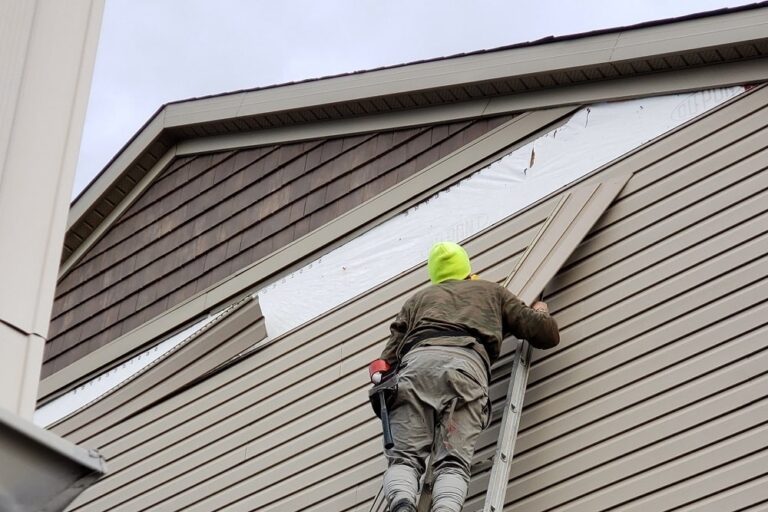
In some cases, additional services may be required during the siding replacement process, such as removing old siding, installing insulation, or painting the new siding. These extra services can add to the overall cost of the project. It’s important to consider all potential additional services when budgeting for a siding replacement project to avoid any unexpected expenses.
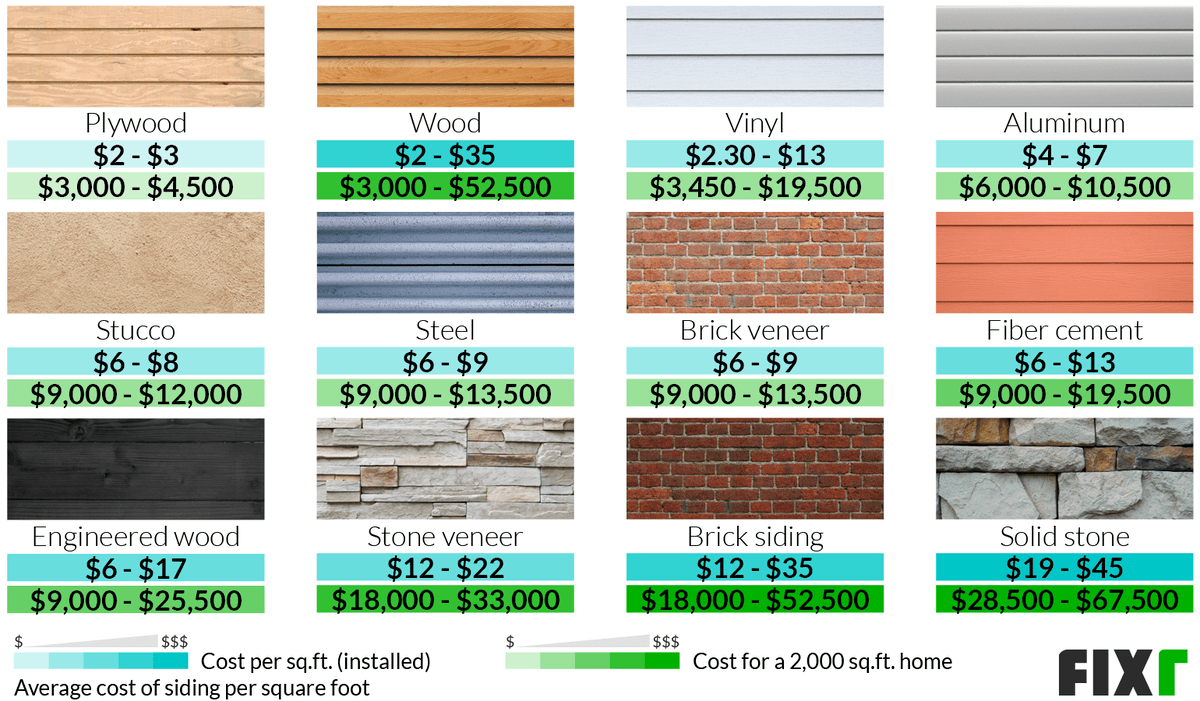
When it comes to siding replacement, the size of the house plays a significant role in determining the overall cost. Larger houses require more materials and labor, which can impact the total expenses. Let’s compare the average siding replacement cost for houses of different sizes and explore how economies of scale may affect the overall cost.
Economies of scale can come into play when replacing siding on larger houses. With larger quantities of materials and potentially more efficient labor practices, the cost per square foot may decrease for bigger homes. However, it’s important to consider the initial investment required for a larger project and ensure that the quality of materials and workmanship is not compromised.
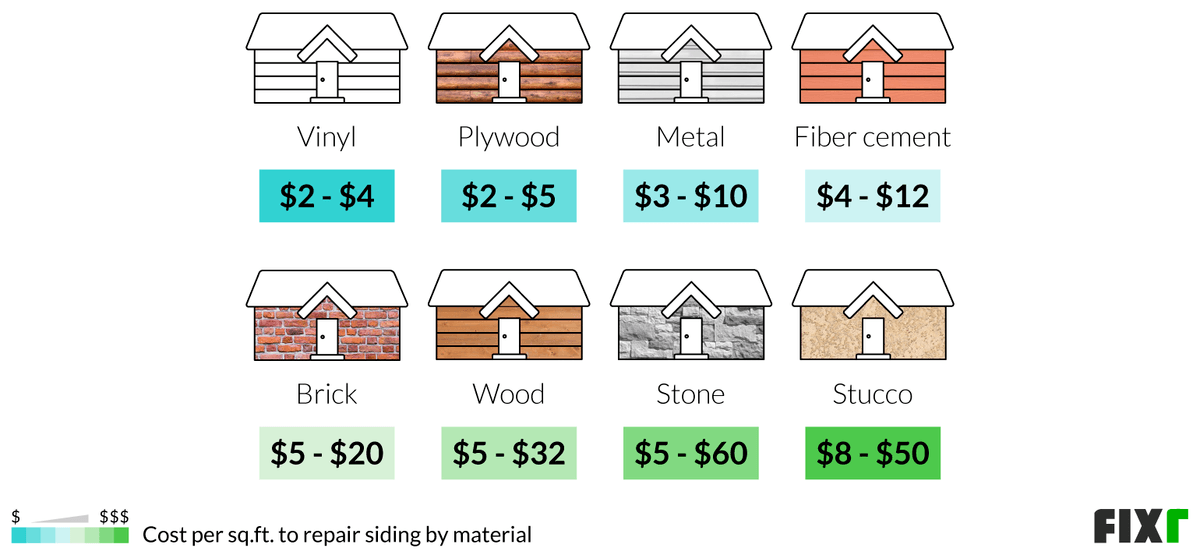
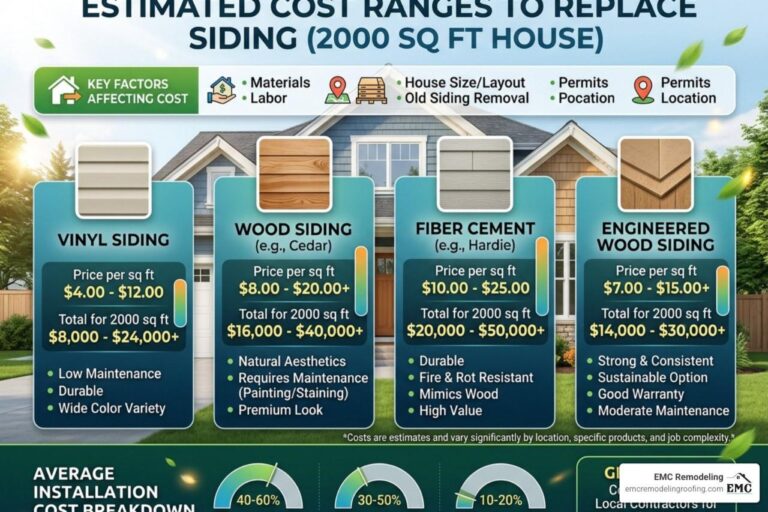
When it comes to siding replacement, there are several material options available, each with its own cost implications, durability, maintenance requirements, and aesthetic appeal.
Vinyl siding is a popular choice due to its affordability and low maintenance. It typically costs around $2 to $7 per square foot for materials, making it a cost-effective option for siding replacement. Vinyl siding is also durable and comes in a variety of colors and styles, offering versatility in design.
Wood siding provides a natural and rustic look to a home, but it tends to be more expensive than vinyl. The cost of wood siding can range from $5 to $10 per square foot for materials. While wood siding requires more maintenance, with regular painting or staining, it offers a timeless and classic appearance that many homeowners appreciate.
Fiber cement siding is a durable and low-maintenance option that mimics the look of wood but without the same level of upkeep. The cost of fiber cement siding typically falls between $5 to $12 per square foot for materials. Although it may be more expensive upfront, fiber cement siding is known for its longevity and resistance to rot and insects.
Metal siding, such as aluminum or steel, is a modern and sleek option that offers durability and low maintenance. The cost of metal siding can range from $5 to $15 per square foot for materials. Metal siding is resistant to fire, rot, and pests, making it a practical choice for homeowners seeking a contemporary aesthetic.
Brick siding is a high-end option that provides a timeless and elegant look to a home. The cost of brick siding can be significant, ranging from $10 to $30 per square foot for materials. While brick siding is durable and requires little maintenance, it is one of the more expensive choices for siding replacement.
Stone veneer siding offers the luxurious look of natural stone at a fraction of the cost. The price of stone veneer siding typically falls between $8 to $20 per square foot for materials. While it may require some maintenance to keep its appearance, stone veneer siding adds a sophisticated and upscale touch to a home’s exterior.
When it comes to saving money on siding replacement, there are several strategies that homeowners can consider. Whether it’s through DIY installation, negotiating prices with contractors, or taking advantage of discounts on materials, there are ways to lower the overall cost of this home improvement project.
For homeowners looking to save on labor costs, DIY installation can be a cost-effective option. By taking the time to learn proper installation techniques and investing in the right tools, homeowners can tackle the project themselves. However, it’s important to consider the complexity of the job and whether DIY installation is feasible based on the size of the house and the type of siding being used.
When hiring professionals for siding replacement, homeowners can still save money by negotiating prices with contractors. Obtaining multiple quotes from different contractors can help in comparing costs and negotiating a better deal. Homeowners can also inquire about any discounts or promotions that contractors may offer, especially during off-peak seasons.
Another way to cut costs on siding replacement is by leveraging discounts on materials. Homeowners can shop around for deals on siding materials, whether it’s through local suppliers, home improvement stores, or online retailers. Keeping an eye out for sales or clearance items can help in saving money without compromising on the quality of the materials used for the project.
What factors impact siding replacement cost?
Factors include house size, material quality, labor costs, and additional services.
How do material options affect costs?
Different materials like vinyl, wood, and fiber cement have varying costs, durability, and maintenance needs.
Are there cost-saving strategies for siding replacement?
Homeowners can save by DIY installation, negotiating prices, and exploring discounts on materials.