Roofing and Siding Cost in 2026: Is It Cheaper to Replace Them Together?
When it comes to determining the cost of roofing and siding projects, several key factors come into play. These factors can significantly impact the overall price of the project, making it essential to understand how they influence costs.
The quality of materials used for roofing and siding can have a significant impact on the overall cost of the project. High-quality materials tend to be more expensive but offer better durability and longevity, reducing the need for frequent repairs or replacements.
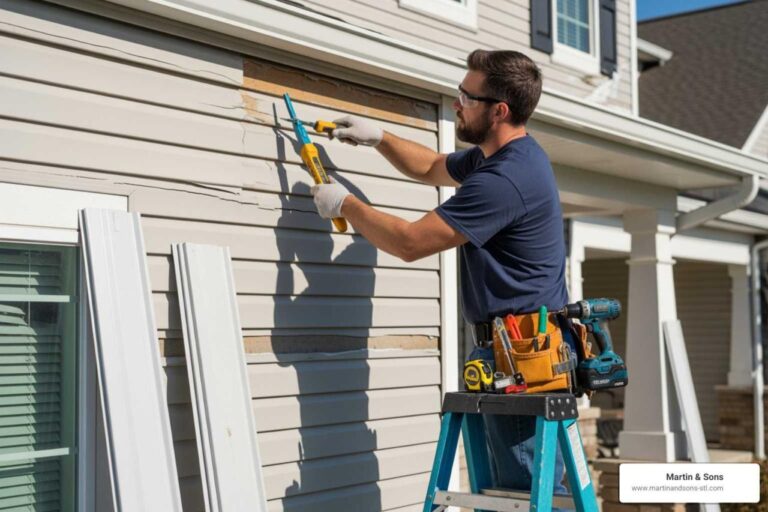
Labor costs play a crucial role in determining the overall cost of roofing and siding projects. Skilled labor is essential for proper installation, and labor costs can vary based on the expertise and experience of the workers.
The geographic location of a property can also influence roofing and siding costs. Factors such as local building codes, climate conditions, and availability of materials can impact pricing in different regions.
Replacing roofing and siding together can have a significant impact on the overall cost of your home improvement project. Let’s explore the differences between replacing them together versus separately.
When replacing roofing and siding together, you can often benefit from cost savings compared to tackling each project separately. By bundling these projects, you may be able to negotiate a better deal with contractors who can offer a package price for both services.
Additionally, you can save on labor costs and reduce the overall disruption to your home by completing both projects simultaneously.
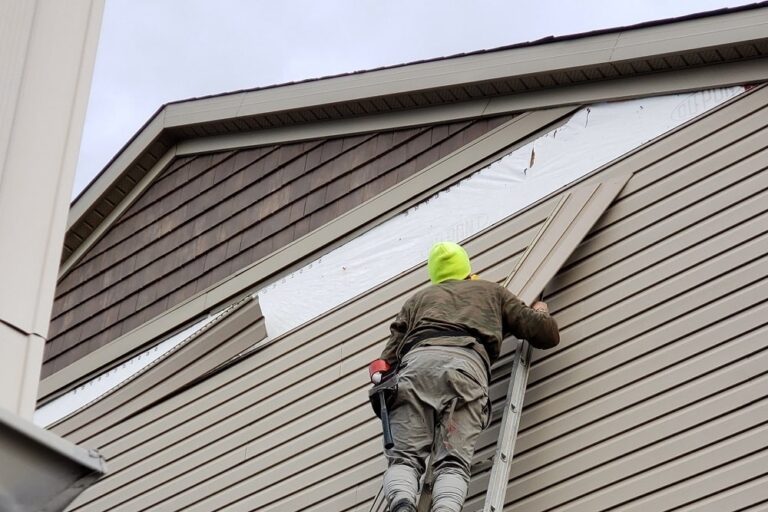
For example, if you were to replace your roof and siding separately, you might incur higher costs due to mobilization fees for multiple visits from contractors. By combining these projects, you can avoid these additional expenses and streamline the overall process.
Furthermore, purchasing materials in bulk for both roofing and siding can lead to additional savings that can make a significant difference in the total cost.
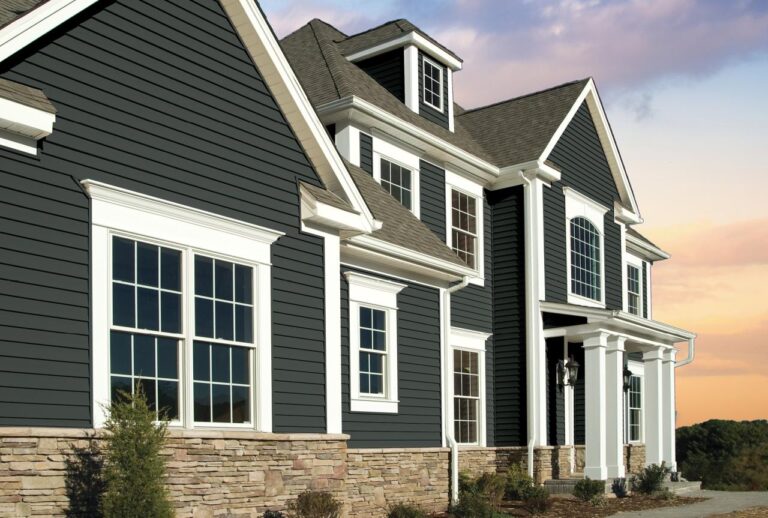
Bundling roofing and siding projects can also provide additional financial benefits in terms of increasing the value of your home. A newly replaced roof and siding can enhance the curb appeal and energy efficiency of your property, potentially leading to higher resale value in the future.
By investing in both projects together, you can maximize the return on your investment and enjoy a more cohesive and visually appealing exterior for your home.
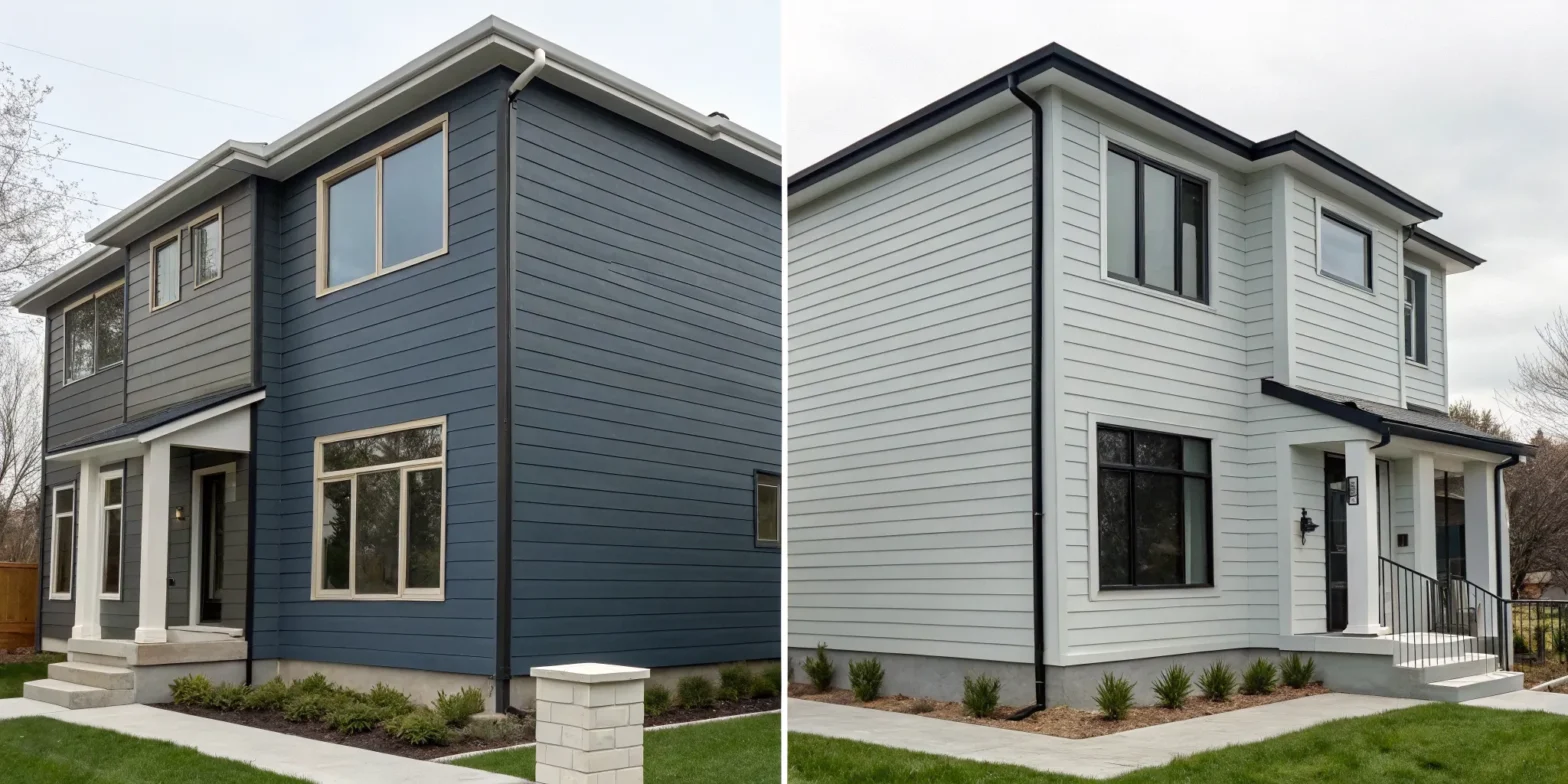
When it comes to choosing materials for roofing and siding, there are several options available in the market. Each material has its own set of characteristics, costs, and aesthetic appeal, making it essential to weigh the pros and cons before making a decision.
Asphalt shingles are one of the most popular choices for roofing due to their affordability and ease of installation. They come in a variety of colors and styles, making them versatile for different architectural designs. However, asphalt shingles have a shorter lifespan compared to other materials and may require more frequent replacement.
Metal roofing is known for its durability and longevity, with some types lasting up to 50 years or more. While metal roofing can be more expensive upfront, it requires minimal maintenance and provides excellent protection against the elements. Additionally, metal roofs are energy-efficient and environmentally friendly.
Vinyl siding is a popular choice for homeowners looking for a low-maintenance and cost-effective option. It comes in a variety of colors and styles, offering versatility in design. Vinyl siding is durable, resistant to rot and insects, and can last for several decades with proper care.
Fiber cement siding is a durable and low-maintenance material that offers the look of wood without the drawbacks. It is resistant to fire, insects, and rot, making it a long-lasting option for siding. While fiber cement siding may have a higher upfront cost, it provides excellent value in terms of durability and aesthetics.
When it comes to roofing and siding projects, budgeting and financing are essential aspects to consider. Proper planning can help homeowners manage costs effectively and ensure the success of the project.
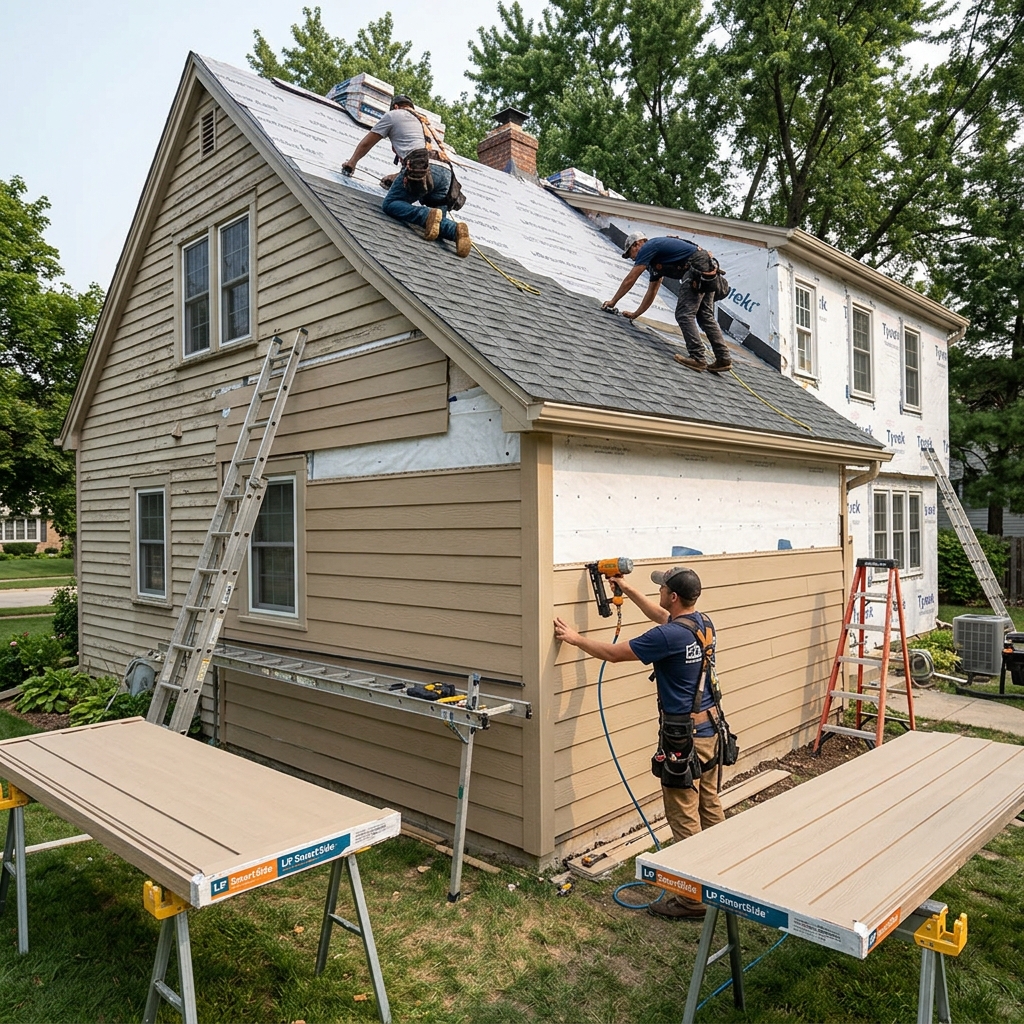
When it comes to hiring contractors for roofing and siding projects, there are several important steps to consider to ensure a successful outcome. From obtaining multiple quotes to checking references, each step plays a crucial role in selecting the right professionals for the job.
What factors influence roofing and siding costs?
Factors include material quality, labor costs, geographic location, roof size, pitch, and complexity.
Is it cheaper to replace roofing and siding together or separately?
Replacing them together can result in cost savings, but it depends on individual circumstances and materials chosen.
What are some popular material options for roofing and siding?
Popular materials include asphalt shingles, metal roofing, vinyl siding, and fiber cement siding.
How can homeowners budget and finance roofing and siding projects?
Tips include setting a budget, exploring financing options, and planning for future replacements.
What steps should homeowners take when hiring contractors for roofing and siding work?
Steps include obtaining multiple quotes, checking references, and ensuring quality workmanship and adherence to timelines.