Siding Estimate Near Me: How Much Should New Siding Cost in 2026?
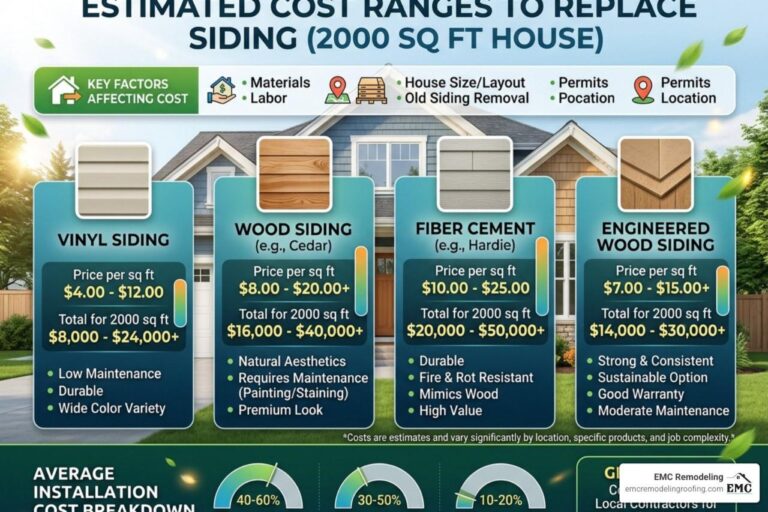
When considering the cost of new siding for your home, there are several key factors that can influence the overall price. These factors include the type of materials used, the cost of labor, the location of your home, as well as the quality and customization of the siding.
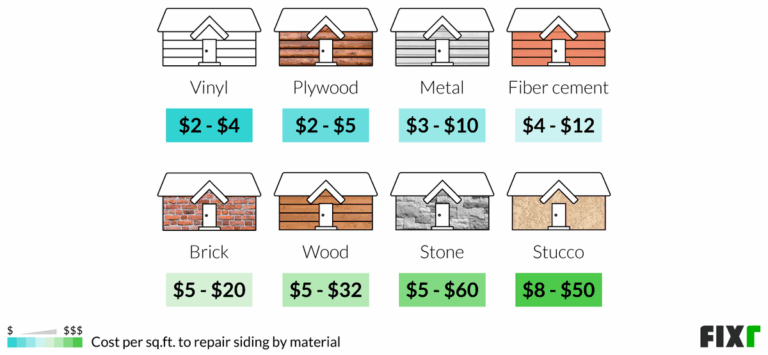
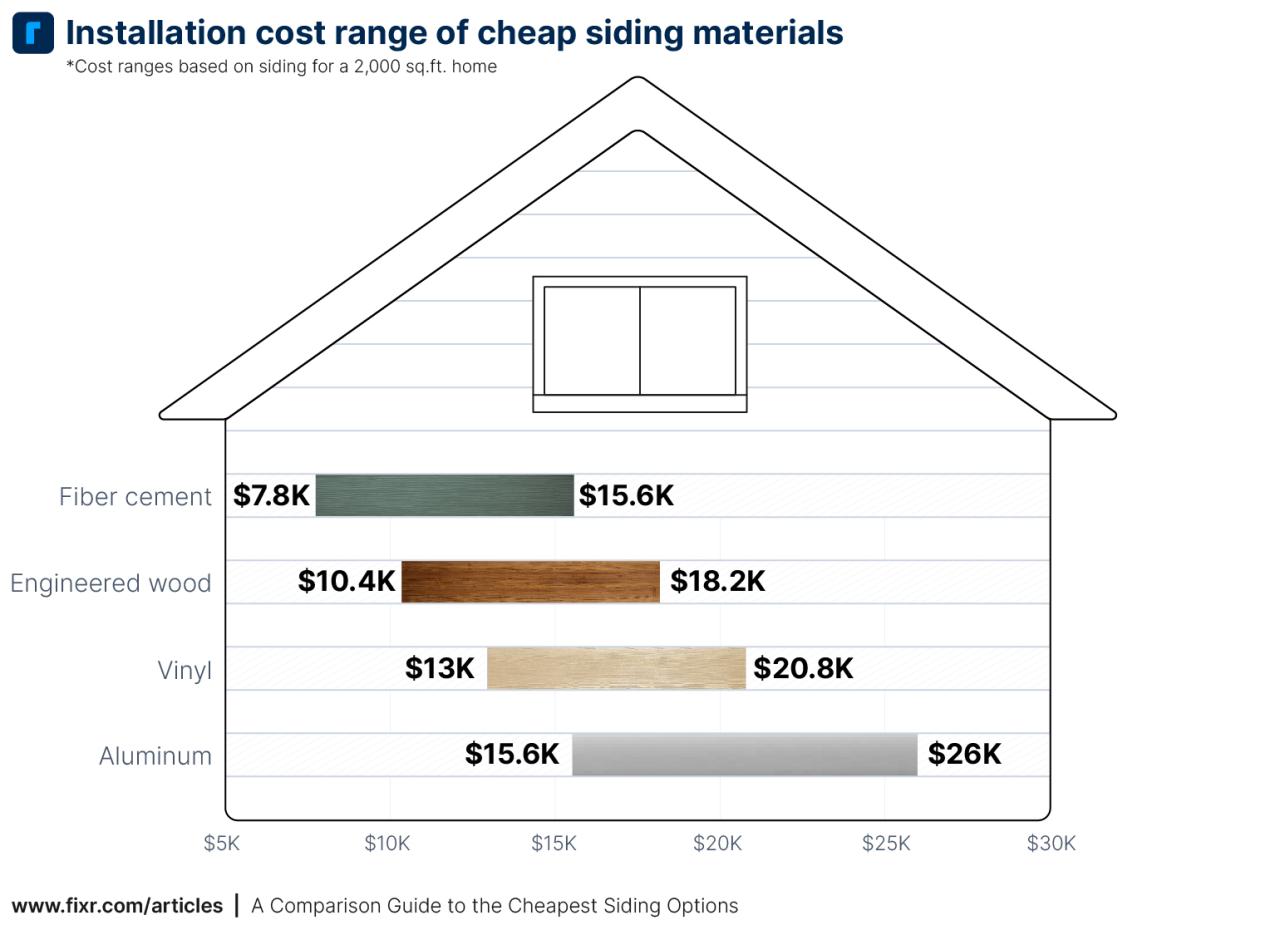
The type of siding material you choose will have a significant impact on the overall cost of the project. For example, vinyl siding tends to be more affordable compared to materials like fiber cement or wood. Additionally, higher-end materials such as cedar or stone will come with a higher price tag.
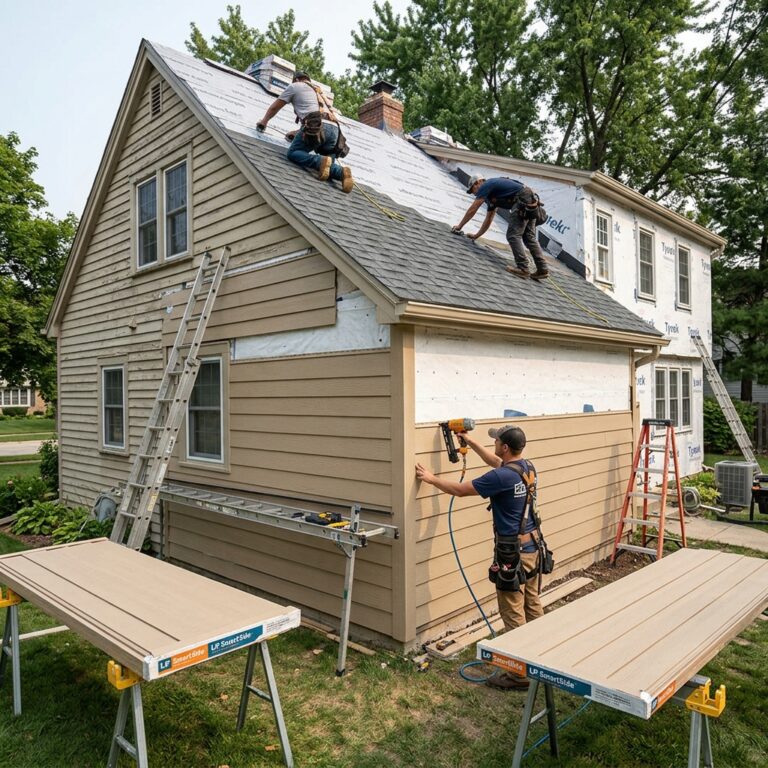
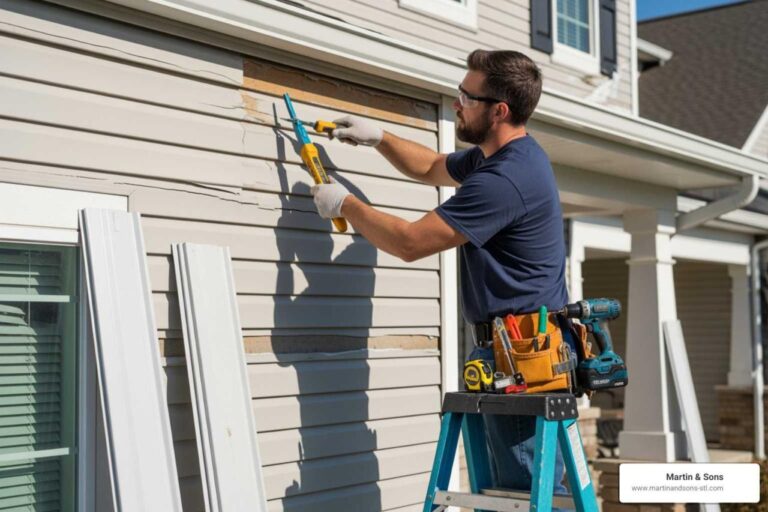
The cost of labor can vary depending on the complexity of the job and the experience of the contractors. Labor costs typically include the installation of the siding, removal of old siding (if necessary), and any additional prep work needed before installation.
It’s important to factor in labor costs when budgeting for your new siding project.
The location of your home can also impact the cost of new siding. Factors such as local labor rates, permit costs, and accessibility to your property can all affect the overall price. Homes in urban areas or regions with higher living costs may have higher siding estimates compared to homes in rural areas.
The quality and customization of the siding you choose will also play a role in pricing. Higher quality materials and custom designs will naturally come with a higher price tag. Factors such as color options, textures, and finishes can add to the overall cost of the project.
It’s important to consider your budget and desired aesthetic when selecting siding options.
In 2026, several siding materials are commonly used for residential properties. Each material has its own unique characteristics, costs, and maintenance requirements. Let’s explore some of the popular siding materials in 2026:
Vinyl siding is a popular choice due to its affordability and low maintenance requirements. It comes in a variety of colors and styles, making it versatile for different home designs. Vinyl siding is durable and resistant to rot, insect damage, and harsh weather conditions.
Fiber cement siding is known for its durability and resistance to fire, moisture, and pests. It can mimic the look of wood or stucco but requires less maintenance. While fiber cement siding may have a higher upfront cost compared to vinyl, it is a long-lasting option for homeowners.
Wood siding provides a natural and classic look to homes. While wood siding is aesthetically pleasing, it requires more maintenance to prevent rot, mold, and insect infestations. The cost of wood siding can vary depending on the type of wood used.
Metal siding, such as aluminum or steel, is known for its durability and resistance to extreme weather conditions. It is low maintenance and can be an eco-friendly option as it is recyclable. Metal siding can be more expensive upfront but can last for many years with minimal upkeep.
When it comes to estimating siding costs for a project, contractors follow a detailed process that takes into account various factors such as material expenses, labor costs, and any additional charges that may apply.
Contractors calculate material expenses based on the type of siding material chosen for the project. This includes the cost per square foot or linear foot of the siding material, as well as any additional materials needed for installation, such as nails, trim pieces, and insulation.
Labor costs are typically calculated based on the size of the project and the estimated number of hours required to complete the installation. Contractors may also take into consideration the complexity of the project and any additional services requested by the homeowner, such as removal of old siding or customization options.
In addition to material and labor costs, contractors may factor in additional charges such as permits, disposal fees for old siding, and any unexpected issues that may arise during the installation process. These charges are usually added to the overall estimate to ensure that all aspects of the project are covered.
When it comes to the average siding costs in different regions, it’s important to consider various factors that can influence pricing variations. Climate, building regulations, and market trends all play a significant role in determining how much you can expect to pay for new siding in a specific location.
In the Northeast region, where cold winters and humid summers are common, siding costs tend to be higher compared to other parts of the country. This is due to the need for more durable materials that can withstand extreme weather conditions.
Factors like snow, ice, and high humidity levels can impact the longevity of siding materials, leading to higher costs for homeowners in this region.
In the Southwest region, where hot and dry weather is prevalent, siding costs may be lower as the climate is less harsh on exterior materials. Homeowners in this region may have more options when it comes to choosing siding materials that are cost-effective and still offer good performance.
Market trends in the Southwest region may also influence siding costs, with a focus on energy-efficient materials that can help reduce cooling costs during the hot summer months.
The Midwest region experiences a range of weather conditions throughout the year, from cold winters to hot summers. This variation in climate can impact siding costs, with homeowners needing materials that can adapt to changing temperatures and humidity levels.
Building regulations in the Midwest region may also influence siding costs, as certain materials may be required to meet specific standards for energy efficiency and durability.
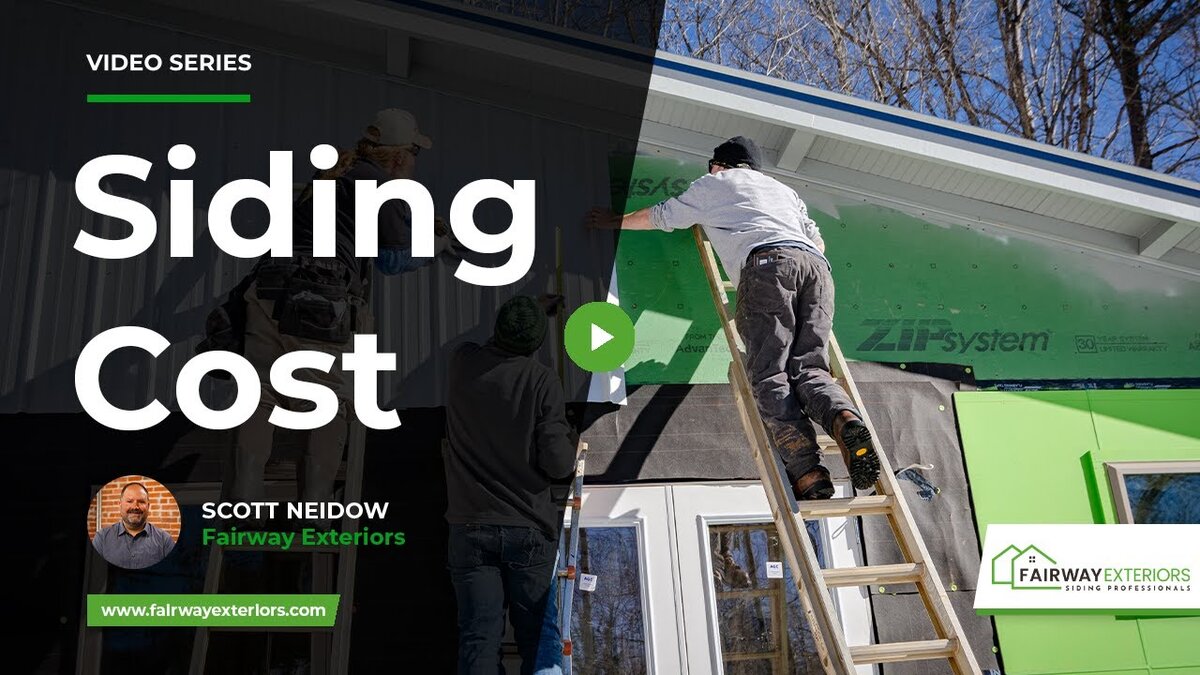
When it comes to installing new siding, choosing the right contractor is crucial to ensure a successful and satisfactory outcome for your home. Here are some steps to consider when selecting a reputable siding contractor.
Before hiring a siding contractor, it is essential to verify that they have the necessary licenses and insurance to perform the work legally and safely. Requesting references from past clients can also give you insight into the contractor’s reputation and quality of work.
When discussing pricing with a siding contractor, it’s essential to negotiate fair rates that align with the quality of work you expect. Understanding the terms of the contract and the scope of work is crucial to avoid misunderstandings down the line.
Ensure that all costs, timelines, and materials are clearly Artikeld in the contract before signing.
What factors impact siding costs the most?
Materials, labor, and location play significant roles in determining the overall cost of new siding.
Which siding material is the most cost-effective?
Vinyl is often considered a cost-effective siding material due to its affordability and low maintenance requirements.
How do contractors calculate siding costs?
Contractors calculate siding costs by factoring in material expenses, labor costs, and any additional charges for customization or special requirements.
What are some tips for hiring a reputable siding contractor?
Verify licenses, insurance, and references of potential contractors, and ensure clear communication and understanding of pricing and contracts before making a decision.