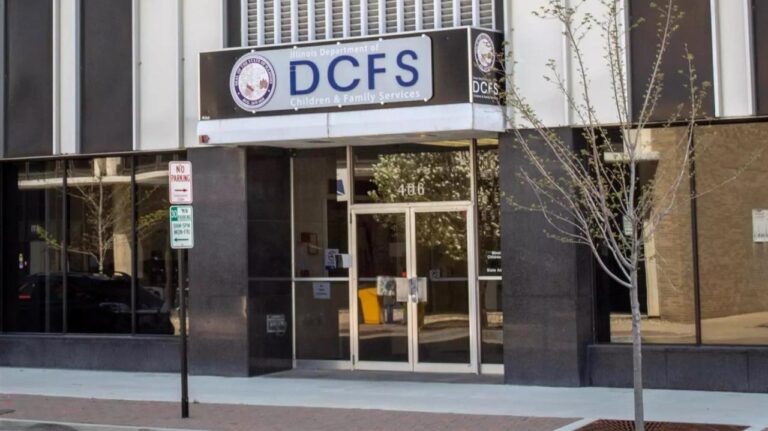
How Long Does a Typical DCFS Investigation Take to Close
When it comes to the duration of a DCFS (Department of Children and Family Services) investigation, several factors can significantly impact how long it takes for the case to close. These factors can vary from case to case and can influence the overall timeline of the investigation process.
The complexity of the case plays a crucial role in determining how long a DCFS investigation will take to close. Cases that involve multiple parties, conflicting accounts, or intricate family dynamics often require more time to investigate thoroughly. Gathering evidence, conducting interviews, and assessing the situation in complex cases can prolong the investigation process.
The availability of evidence is another key factor that can affect the duration of a DCFS investigation. Investigations where substantial evidence is readily accessible and clear-cut can be resolved more quickly compared to cases where evidence is scarce, inconclusive, or requires extensive analysis.
The process of collecting and reviewing evidence can significantly impact the overall timeline of the investigation.
Collaboration with other agencies or professionals can either expedite or delay the investigation process. Effective communication and coordination with law enforcement, medical professionals, mental health providers, or other relevant parties can streamline the investigation by providing additional insights, resources, or expertise.
On the other hand, delays or challenges in collaborating with external entities can prolong the investigation duration.
When a report of child abuse or neglect is made to the Department of Children and Family Services (DCFS), a thorough investigation is conducted to ensure the safety and well-being of the child. This process involves several standard procedures that must be followed from the initial report to the closing of the case.
Upon receiving a report, a DCFS investigator will assess the level of risk to the child and determine the appropriate response. This may involve conducting interviews with the child, parents, caregivers, and other individuals who have information about the situation.
The investigator will also review any relevant documentation, such as medical records, school reports, and previous DCFS history.
One of the key steps in a DCFS investigation is the conduct of home visits to observe the living conditions of the child and assess the safety of the environment. The investigator will interview the child alone, as well as with their parents or caregivers, to gather more information about the alleged abuse or neglect.
These interviews are crucial in determining the facts of the case and ensuring the child’s safety.
Throughout the investigation, the DCFS investigator will assess the child’s physical and emotional well-being, as well as the family dynamics and any underlying issues that may contribute to the situation. This information is documented in detailed reports that are maintained as part of the case file.
The investigator may also consult with other professionals, such as medical experts or therapists, to gather additional insights.
Once all the necessary information has been collected and assessed, the DCFS investigator will review the case to determine the appropriate course of action. This may involve providing services to the family to address any underlying issues, removing the child from the home if necessary, or closing the case if no evidence of abuse or neglect is found.
The decision to close a case is based on a thorough review of all the facts and the best interests of the child.
When it comes to the average duration of DCFS investigations, it is important to note that the timeline can vary depending on the nature of the case and other factors. According to studies and statistical data, a typical DCFS investigation can take anywhere from 30 to 45 days to conclude on average.
This timeframe includes the initial assessment, interviews, evidence collection, and final report submission.
It is worth noting that the duration of DCFS investigations can also vary based on the geographical location or jurisdiction where the case is being handled. Rural areas may face challenges such as limited resources and personnel, which can impact the speed at which investigations are conducted. On the other hand, urban areas with higher caseloads may experience delays due to the volume of cases being processed.
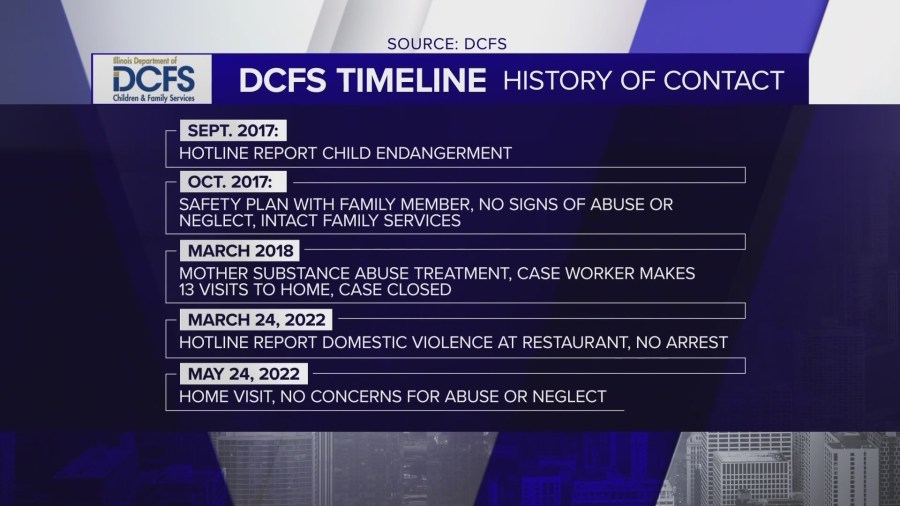
When it comes to closing DCFS investigations, several challenges can arise that may prolong the process and delay reaching a resolution.
Court proceedings can significantly impact the duration of a DCFS investigation. Legal processes, such as hearings, trials, and the involvement of various parties, can lead to delays in closing the case.
The need for collecting additional evidence to support the investigation findings can also pose a challenge. Gathering relevant information, interviewing witnesses, and obtaining documentation may take time, resulting in a longer investigation period.
Conflicting reports from different parties involved in the case can complicate the investigation process. Resolving discrepancies and verifying the accuracy of information can prolong the investigation timeline.
What factors can influence the duration of a DCFS investigation?
Factors such as case complexity, evidence availability, and collaboration with other agencies can impact the investigation timeline.
What are the typical steps involved in a DCFS investigation?
Standard procedures include initial reports, interviews, home visits, assessments, and documentation completion.
Is there statistical data on the average duration of DCFS investigations?
Statistical data can reveal the average length of time for DCFS investigations and how it varies based on case type and location.
What challenges are commonly faced in closing DCFS investigations?
Obstacles like court proceedings, evidence collection, and conflicting reports can prolong investigations, but strategies can help expedite the process.