2026 EV Tax Credits Explained: How to Maximize Your Savings on New Electric Vehicles
Electric vehicles (EVs) have become increasingly popular due to their environmental benefits and cost savings on fuel. The 2026 EV Tax Credits are incentives provided by the government to encourage the purchase of new electric vehicles. These tax credits work by reducing the amount of taxes you owe, which can lead to significant savings when buying an EV.
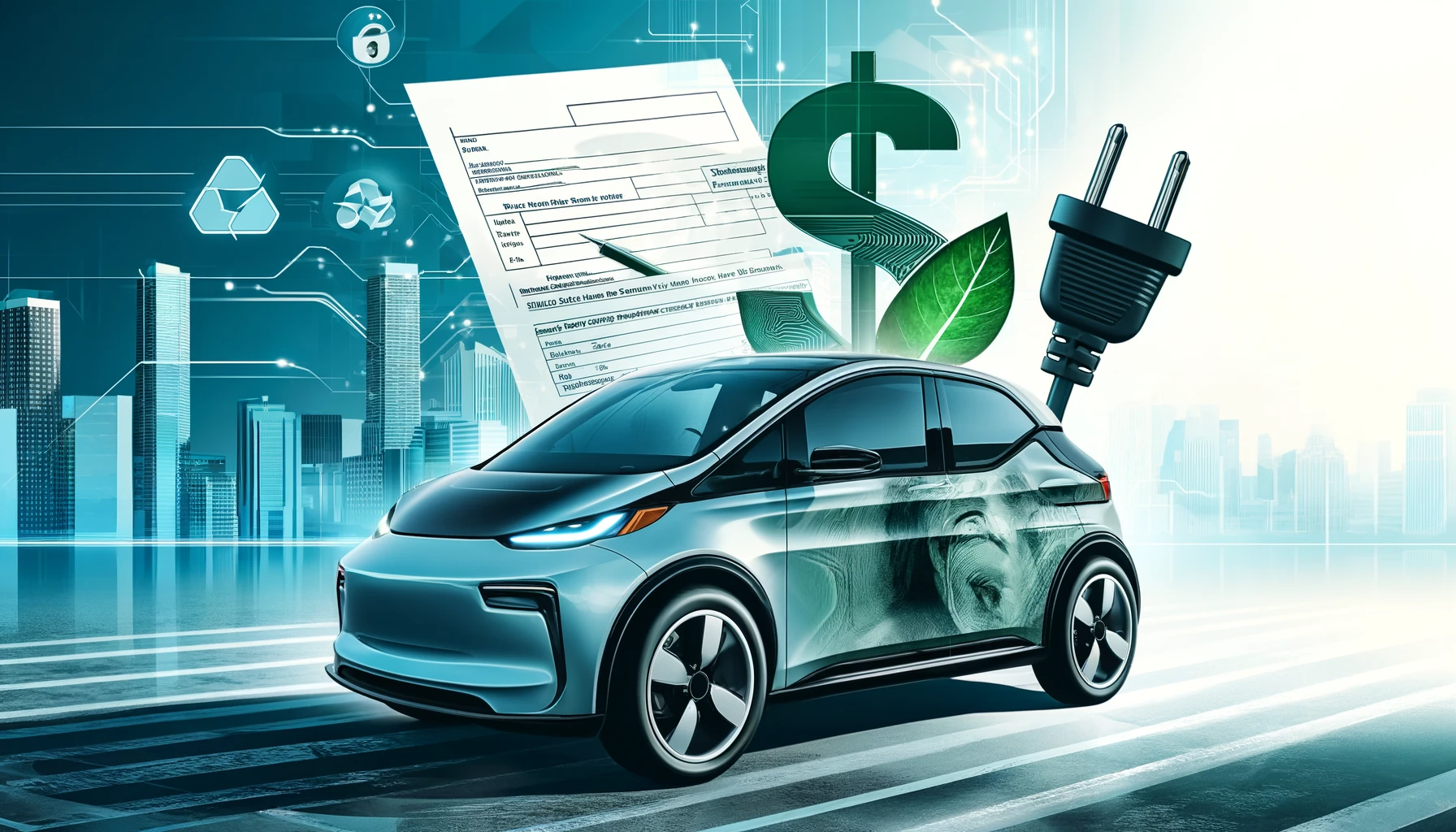
When it comes to purchasing a new electric vehicle, there are several strategies you can implement to maximize your savings and take full advantage of the available tax credits. By understanding the different types of electric vehicles and how the tax credit amounts vary, as well as knowing how to calculate the total savings including tax credits, you can make a more informed decision and save money in the long run.
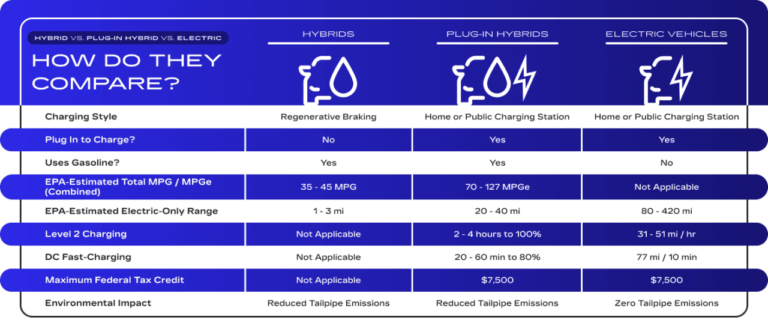
When comparing tax credit amounts for different types of electric vehicles, it’s essential to know that the tax credit varies based on the size of the vehicle’s battery. Generally, vehicles with larger batteries are eligible for higher tax credits. For example, a plug-in electric vehicle with a battery capacity of 16 kWh or more may qualify for a higher tax credit compared to a vehicle with a smaller battery capacity.
In the realm of electric vehicles, timing is crucial when it comes to maximizing your savings through tax credits. The year 2026 holds particular significance for EV Tax Credits, and understanding this timing can greatly impact your financial decisions.
In 2026, the federal tax credit for electric vehicles is set to undergo significant changes. The current tax credit, which offers up to $7,500 in savings for eligible electric vehicles, will be phased out for automakers who have sold over 200,000 electric vehicles.
This means that popular electric vehicle manufacturers like Tesla and GM, who have already surpassed this threshold, will no longer qualify for the tax credit.
It is essential for individuals to plan their electric vehicle purchase timeline considering the tax credit changes. Here is a general guideline to help you maximize your savings:
Electric vehicles have been gaining popularity in recent years due to their environmental benefits and cost-saving advantages. With the introduction of the 2026 EV Tax Credits, the electric vehicle market is expected to undergo significant changes. These tax credits are likely to have a profound impact on consumer behavior and manufacturers’ strategies in the electric vehicle industry.
How do 2026 EV Tax Credits work?
2026 EV Tax Credits work by providing financial incentives to individuals who purchase new electric vehicles, helping to offset the upfront cost and promote eco-friendly transportation.
What are the eligibility criteria for claiming tax credits on new electric vehicles?
Eligibility criteria typically include factors such as the battery capacity of the vehicle, the manufacturer, and whether the vehicle meets certain emission standards set by the government.
Why is the year 2026 significant for EV Tax Credits?
The year 2026 marks a pivotal moment for EV Tax Credits as new regulations and incentives are set to take effect, impacting the affordability and accessibility of electric vehicles.
How can I calculate the total savings including tax credits when buying an EV?
To calculate total savings, you can subtract the tax credit amount from the purchase price of the electric vehicle, factoring in any additional incentives or rebates available.