Plug-In Hybrid vs Fully Electric: Which Offers the Best Financial ROI for Commuters in 2026?
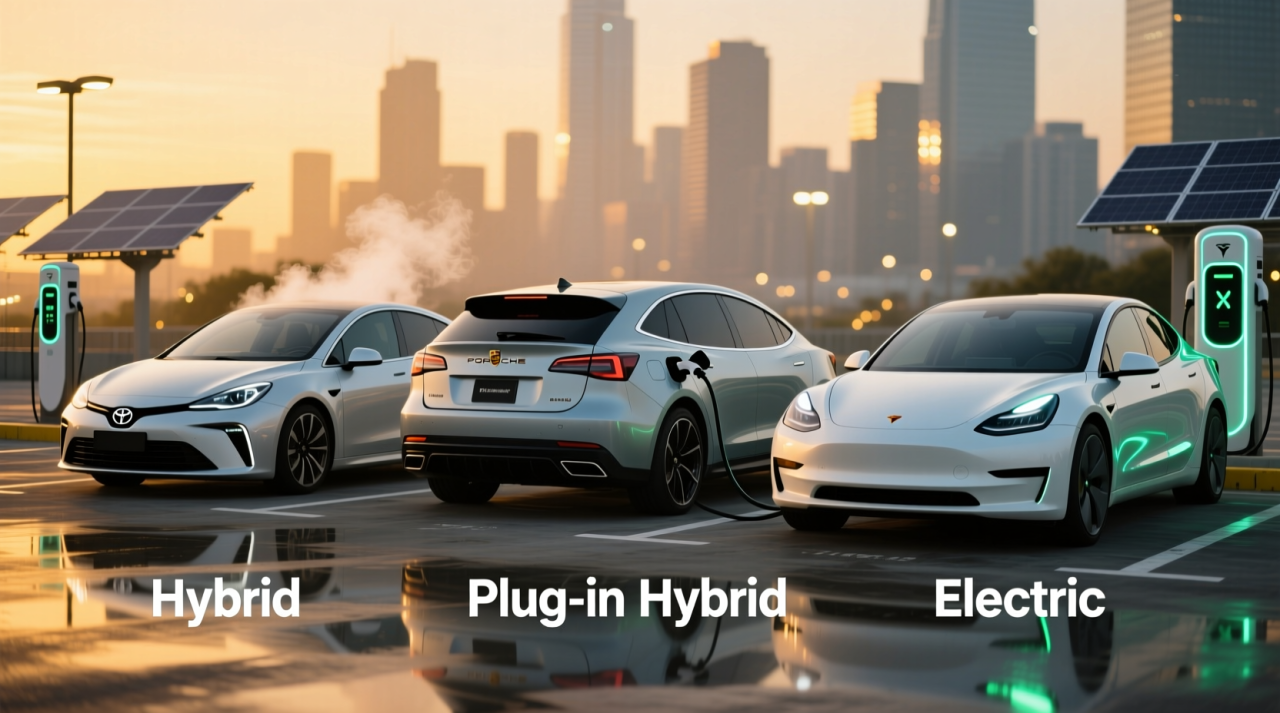
Plug-In Hybrid and Fully Electric vehicles are two types of electric vehicles that offer environmentally friendly alternatives to traditional gasoline-powered cars. While both types aim to reduce emissions and dependence on fossil fuels, they differ in terms of how they operate and the benefits they provide to commuters.
Both types of electric vehicles have their own set of advantages and disadvantages that commuters should consider when choosing the right option for their daily transportation needs.
When considering the financial aspects of purchasing a vehicle, it is essential to compare the initial costs and long-term savings between Plug-In Hybrid and Fully Electric models.
When looking at the initial cost of purchasing a Plug-In Hybrid versus a Fully Electric vehicle, there are some key differences to consider. Plug-In Hybrids tend to be more affordable upfront compared to Fully Electric vehicles. This is primarily due to the smaller battery size and the presence of a traditional gasoline engine in Plug-In Hybrids, which reduces manufacturing costs.
On the other hand, Fully Electric vehicles typically have higher initial price tags due to the larger battery capacity and advanced electric drivetrain technology.
Long-term savings play a crucial role in determining the overall cost-effectiveness of owning a Plug-In Hybrid or Fully Electric vehicle. Here are some factors to consider:
When it comes to Plug-In Hybrid and Fully Electric vehicles, the charging infrastructure and convenience play a crucial role in the overall user experience and practicality of these vehicles.
For Plug-In Hybrid vehicles, the charging infrastructure required is less demanding compared to Fully Electric vehicles. Plug-In Hybrids have a smaller battery that can be charged using a standard household outlet or dedicated charging station. These vehicles also have a gasoline engine as a backup, allowing users to rely on traditional gas stations if needed.Fully Electric vehicles, on the other hand, require more robust charging infrastructure.
Owners typically install a Level 2 home charging station for faster charging times, or they can utilize public charging stations located at various places such as shopping centers, workplaces, and along highways. Additionally, DC fast chargers are available for quick top-ups on the go.
For commuters, the convenience of charging options is a significant factor to consider. Plug-In Hybrids offer the flexibility of using gasoline as a backup, providing peace of mind for longer journeys where charging stations may be limited. The ability to charge at home overnight or at work during the day adds convenience to the overall ownership experience.Fully Electric vehicles, while requiring more planning due to longer charging times, offer the convenience of “refueling” at home.
This eliminates the need for frequent trips to the gas station and allows users to start each day with a full “tank” of electricity. Public charging networks continue to expand, offering more options for on-the-go charging, making it easier for commuters to integrate electric vehicles into their daily routines.Overall, while Plug-In Hybrids may offer more immediate convenience with their dual power sources, Fully Electric vehicles provide a greener and potentially more cost-effective long-term solution for commuters willing to adapt to the evolving charging infrastructure.
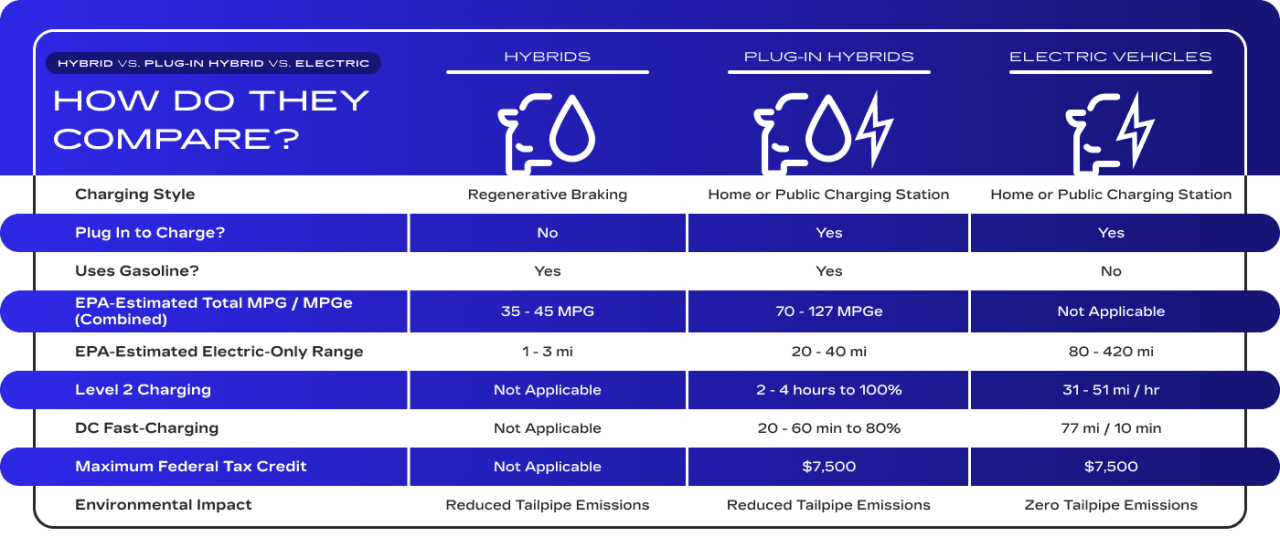
When considering the choice between Plug-In Hybrid and Fully Electric vehicles, it is essential to analyze not only the financial aspects but also the environmental impact and incentives associated with each option.Plug-In Hybrid vehicles have a lower environmental impact compared to traditional gasoline vehicles, as they can operate on electric power for shorter distances, reducing emissions.
However, they still rely on fossil fuels for longer trips, impacting air quality and contributing to greenhouse gas emissions.On the other hand, Fully Electric vehicles produce zero tailpipe emissions, significantly reducing air pollution and greenhouse gas emissions. They are considered more environmentally friendly than Plug-In Hybrids, especially when charged using renewable energy sources.
When it comes to Plug-In Hybrid and Fully Electric vehicles, considering the resale value and depreciation rates is crucial for commuters looking to make a sound financial decision. Understanding the factors that influence the resale value of each type of vehicle in 2026 can help individuals make an informed choice.
Plug-In Hybrid vehicles typically have a higher resale value compared to traditional gas-powered vehicles due to their lower depreciation rates. Factors that may influence the resale value of Plug-In Hybrid vehicles in 2026 include the overall condition of the vehicle, mileage, battery health, and the availability of newer hybrid models in the market.
Fully Electric vehicles are also known to retain their value well, especially as advancements in battery technology continue to improve range and performance. Factors that may impact the resale value of Fully Electric vehicles in 2026 include battery degradation, charging infrastructure expansion, and the release of newer electric models with enhanced features.
What are the key differences between Plug-In Hybrid and Fully Electric vehicles?
Plug-In Hybrids can run on both gasoline and electricity, while Fully Electric vehicles solely rely on electricity for power.
Which type of vehicle typically has lower initial costs, Plug-In Hybrid or Fully Electric?
Plug-In Hybrids generally have lower initial costs compared to Fully Electric vehicles.
What charging infrastructure is needed for Plug-In Hybrid and Fully Electric vehicles?
Plug-In Hybrids can be charged at home or at public charging stations, while Fully Electric vehicles require access to dedicated charging stations for longer trips.
Do Plug-In Hybrid or Fully Electric vehicles have better resale value in 2026?
Resale values can vary, but Plug-In Hybrids may have a slight edge due to their flexibility with gasoline usage.